Steps to Start Jewelry Kiosk in Australia
The allure of the jewelry business is timeless, and a kiosk model presents a uniquely accessible entry point into this rewarding industry. Offering lower overheads than a traditional storefront and prime positioning in high-foot-traffic locations, a well-executed jewelry kiosk can be a highly profitable venture in Australia’s bustling retail landscape. However, success is not found in impulse alone; it is built on a foundation of meticulous planning, strategic sourcing, and sharp business acumen. This guide distills the process into six critical steps, providing a clear, authoritative roadmap to transform your entrepreneurial vision into a gleaming reality. From navigating legal requirements to crafting your brand story, we will walk you through the essential actions needed to establish a credible and prosperous jewelry kiosk.
Step 1: Market Research and Craft a Business Plan
Comprehensive market research is the non-negotiable bedrock of your venture. This process involves analysing the Australian jewelry market, identifying your specific niche, and understanding your future customers. Are you targeting shoppers seeking affordable fashion jewelry, those celebrating milestones with fine pieces, or perhaps a market gap like men’s artisan accessories or sustainable, ethically sourced materials? Visit shopping centres across different suburbs, observe competitor kiosks and stores, and note what sells, pricing strategies, and customer demographics. This on-the-ground intelligence is invaluable and cannot be gleaned from online searches alone.
Must then formalise your strategy into a robust business plan. This document is not just for securing finance; it is your operational blueprint. It should clearly define your business concept, unique selling proposition (USP), and target audience. Include detailed financial projections covering startup costs (kiosk lease, fit-out, initial inventory, licenses), ongoing operational expenses, and realistic revenue forecasts. A thorough plan also includes a marketing strategy outlining how you will attract customers from day one. This disciplined approach forces you to confront potential challenges early and provides a clear metric for measuring success, ensuring you are building a business, not just a hobby.
Step 2: Location and Kiosk Lease Agreement
Your choice of location will directly dictate your foot traffic, customer profile, and ultimately, your sales volume. In Australia, major shopping centres are the prime real estate for kiosks due to their consistent high traffic. However, not all centres are equal. You must evaluate factors such as the demographic profile of the centre’s shoppers, the proximity of your kiosk to anchor tenants like major department stores or cinemas (which draw large crowds), and the existing competitive landscape. A centre with three other jewelry kiosks may present a tougher environment than one with none.
Approaching a shopping centre management group requires preparation and professionalism. They are assessing you as a potential business partner who will contribute to their centre’s tenancy mix and revenue. Come prepared with your business plan, financial projections, and a compelling presentation of your product range and concept. Be clear on what makes your kiosk unique and why it will enhance their shopping experience. Negotiating the lease agreement is a critical step; pay close attention to the terms, including the rental cost (often a combination of a base rent and a percentage of turnover), lease duration, fit-out requirements, and any clauses regarding operating hours and promotional contributions to the centre’s marketing events. View jewelry kiosk design
It is also prudent to have a contingency plan. Prime kiosk locations are highly competitive and may not be immediately available. Consider alternative high-traffic locations such as popular marketplaces (e.g., The Rocks Markets in Sydney, Queen Victoria Market in Melbourne) or transportation hubs, which may have different leasing structures and can serve as excellent proving grounds for your concept while you wait for a permanent centre spot. The goal is to find a location where your target customers are already present and in a shopping mindset, maximising your chances of spontaneous purchases.

Step 3: High-Quality Inventory and Supplier Relationships
Your sourcing strategy will define your brand identity, quality perception, and profit margins. The decision between stocking mass-produced fashion jewelry, fine jewelry. Or a hand-picked selection of artisan pieces will flow directly from your business plan and target market. For many new kiosk owners, a mix of higher-volume, lower-price-point fashion items alongside a selection of more premium pieces can provide a balanced inventory. Appeals to a broad range of customers while mitigating risk.
Building reliable and ethical supplier relationships is crucial. For any gold, silver, or gemstone pieces, ensure your suppliers provide verifiable authentication. As Australian consumer law mandates, all descriptions must be accurate and not misleading. Check watch kiosk options
Effective inventory management is an ongoing discipline. Your initial stock purchase should be carefully calculated to provide a visually appealing and varied display without over-investing in slow-moving items. A nimble approach allows you to adapt quickly to trends and customer feedback, ensuring your capital is always tied up in stock that turns over rapidly.
Step 4: Engaging and Secure Kiosk Layout
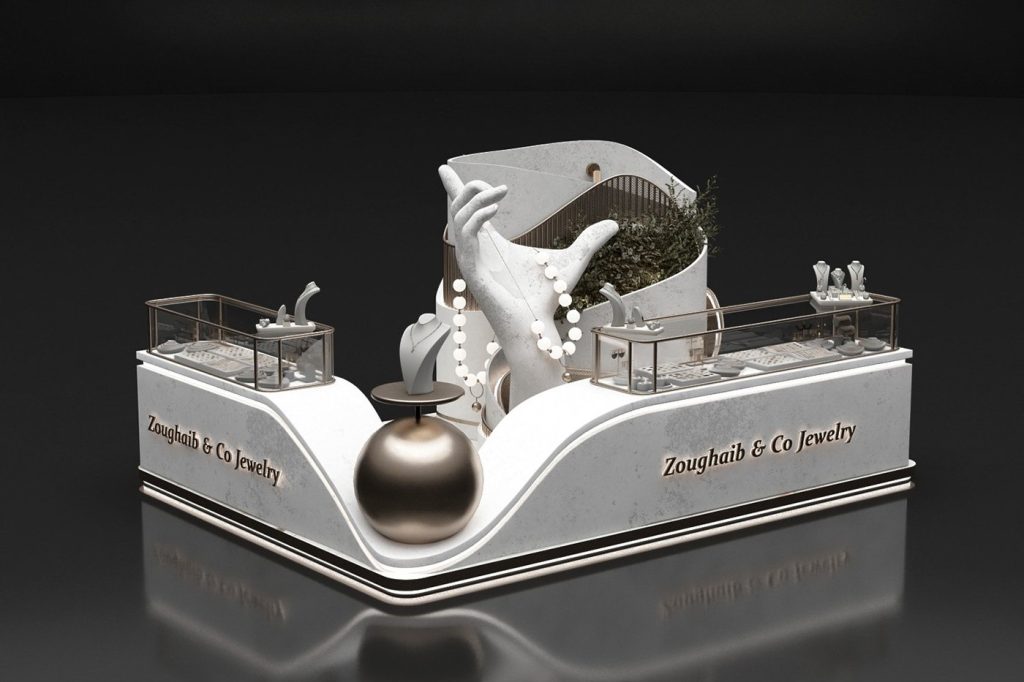
Your kiosk is both your storefront and your fortress. Its design must achieve two primary objectives: attracting customers and securing valuable inventory. The layout and aesthetics should be a physical extension of your brand identity. Whether it’s sleek and modern for contemporary fine jewelry or rustic and warm for artisan pieces, the design must create an inviting atmosphere that encourages browsing. Invest in professional, well-lit display cases that showcase your products in their best light. Clear signage stating your brand name and key USPs (e.g., “Ethically Sourced,” “Australian Made”) helps communicate your value proposition instantly to passing shoppers.
Beyond aesthetics, the customer flow must be intuitive. The design should naturally guide customers around the kiosk, allowing them to view products easily without creating bottlenecks. Consider the height of your displays to ensure they are accessible for all customers, including those in wheelchairs. Incorporate a dedicated space for the transaction process that feels private and secure, even in an open environment. This is where a well-designed counter with integrated storage for paperwork, packaging, and a payment terminal will create a smooth and professional checkout experience.
Security cannot be an afterthought. Jewelry kiosks are attractive targets for theft, so integrating security features into the design is essential. This includes lockable, toughened glass display cases, secure anchoring for the kiosk structure itself, and discreet alarm systems. Plan for storage of higher-value items overnight, either in a secured safe within the kiosk or by removing them entirely. Furthermore, ensure your staff are trained in vigilant customer service and basic security protocols. A well-designed kiosk balances open accessibility with discreet and robust security measures to protect your investment.
Step 5: Legalities, Insurance, and Financial Setup
Operating a legitimate jewelry business in Australia requires strict adherence to a set of legal and financial obligations. Firstly, ensure your business is registered with the Australian Securities and Investments Commission (ASIC) and that you have your ABN. You must also register for Goods and Services Tax (GST) if you expect your annual turnover to exceed $75,000. It is highly advisable to consult with an accountant who specialises in small retail businesses. They can assist you in setting up your bookkeeping systems, advise on tax deductions, and ensure you meet all your reporting obligations from the outset.
Insurance is a critical and non-negotiable expense. At a minimum, you will require Public Liability insurance to protect against claims if a customer is injured at your kiosk. Furthermore, you must secure comprehensive Contents and Stock insurance that covers your inventory, display cases, and other assets against theft, damage, or loss. Given the high-value nature of your stock, be explicit with your insurer about the value and nature of your goods to ensure you are adequately covered. Without proper insurance, a single incident could spell financial ruin for your business. View more mall kiosk decoration
Finally, set up your financial operations for success. Choose a reputable merchant services provider to enable EFTPOS, credit, and debit card payments. Modern systems include portable terminals that integrate seamlessly with your point-of-sale (POS) system, which can be as simple as a tablet with the right software. Your POS system should track sales, inventory, and customer data, providing you with the analytics needed to make informed business decisions. Establish a separate business bank account to keep all finances distinct from your personal accounts, simplifying accounting and tax preparation.
Step 6: Marketing Strategy and Opening Plan
A brilliant kiosk and beautiful jewelry will not sell themselves; you need a proactive marketing strategy to generate buzz and drive traffic. Begin by establishing a professional online presence. Create social media profiles on visually-focused platforms like Instagram and Facebook before you open. Use these channels to tease your launch, showcase your products, and build an audience. A simple, mobile-friendly website or even a Facebook page with clear contact information and operating hours adds legitimacy and helps customers find you.
Your grand opening is a pivotal event. Plan a launch promotion to create a sense of urgency and excitement. This could be a limited-time discount, a gift-with-purchase for the first 50 customers, or a competition. Notify the centre management of your plans, as they may include you in their promotional materials. On the day, ensure your kiosk is fully staffed, and consider having extra helpers to manage crowds and create a vibrant atmosphere. First impressions are lasting; make yours count with exceptional customer service and a memorable experience.
Your marketing efforts must extend beyond the opening day. Build an email list from day one to keep your customers engaged with new arrivals, exclusive offers, and event invitations. Foster relationships with your customers; remember their names and their preferences. In a kiosk environment, personal interaction is your greatest advantage over online retailers. Consider localised strategies like collaborating with other businesses in the centre for cross-promotions. Consistently analyse what marketing channels bring the best return on investment, and continually refine your strategy to build a loyal customer base that ensures long-term profitability.