Why Outdoor Food Kiosk Is Profitable in Australia?
The Australian climate and culture are uniquely suited to the outdoor food kiosk business, creating a compelling and profitable venture for savvy entrepreneurs. With over 300 sunny days annually in many regions, a deeply ingrained café society, and a population that thrives on outdoor living, the market conditions are ideal. An outdoor kiosk offers a low-barrier entry into the thriving food and beverage industry, bypassing the exorbitant costs of a full-scale restaurant. Its inherent flexibility, mobility, and direct alignment with the Australian love for fresh air, quality coffee, and casual, on-the-go dining present a significant opportunity for strong returns on investment. This model turns fundamental national characteristics into a solid business strategy.
Capitalising on Australia’s Alfresco Lifestyle
Australia’s identity is inextricably linked to the outdoors. From beachside barbecues and park picnics to bustling laneway cafes, Australians naturally gravitate towards open-air socialising and dining. An outdoor food kiosk positions itself directly within this cultural current.
The profitability stems from meeting demand where it already exists. Parks, beaches, walking trails, and recreational precincts are natural foot traffic generators. A kiosk provides a convenient and welcome service to these crowds, offering refreshment without interrupting their activity. This convenience factor is a powerful driver of sales.
Furthermore, there is no pressure for formal dining. The transaction is quick, friendly, and perfectly suited to a sun-drenched, casual environment. By embedding itself into this daily ritual of outdoor life, a kiosk builds a loyal customer base that returns not just for the product, but for the entire experience it facilitates.
The Power of Prime Location and Mobility
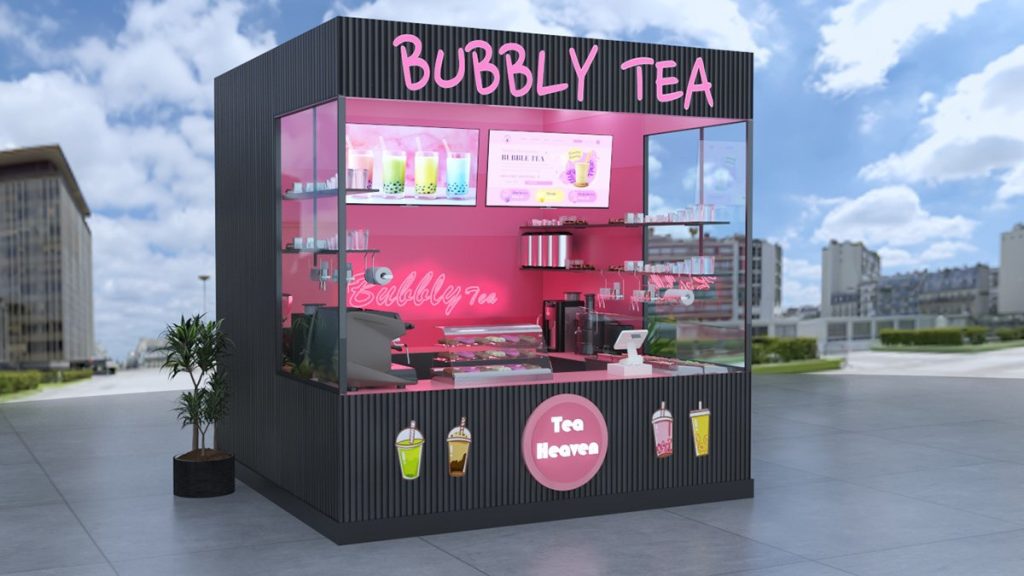
The outdoor food kiosk has relative agility and lower cost associated with securing a prime spot. A successful kiosk leverages high-visibility, high-footfall areas where demand is organic and consistent. Think scenic lookouts, popular coastal walks, outside major transport hubs, adjacent to sports fields, or within large public parks.
The mobility of many kiosk models, such as quality food trailers or converted shipping containers, offers a significant strategic advantage. This allows for testing different locations with minimal risk before committing to a long-term lease. It also provides the flexibility to capitalise on seasonal events, festivals, and markets, moving the business to where the crowds are concentrated at any given time.
Rental costs for the footprint of an outdoor kiosk are substantially lower, even in premium locations. This drastically reduces fixed overheads from the outset, improving the speed at which the business can become profitable. The key is thorough research: understanding pedestrian flow patterns, identifying a lack of direct competition, and ensuring the location aligns perfectly with the offered menu, be it quick coffee or smoothies.
Low Overheads and High Margin Potential
The financial architecture of an outdoor kiosk is inherently geared towards strong profit margins. There are no expenses for extensive dining furniture, complex ventilation systems, or multi-room interior design. This lower barrier to entry makes the business feasible for a wider range of entrepreneurs.
Operational overheads are equally lean. staffing requirements are minimal, often needing only one or two skilled personnel to operate efficiently. Utility costs—water, gas, and electricity—are dramatically reduced due to the smaller space and lack of energy-intensive climate control systems. Insurance and public liability coverage, while essential, are typically priced for a mobile or semi-permanent structure.
These controlled costs directly amplify profitability. With a well-curated menu focused on high-margin items like specialty coffee, fresh juices, gourmet sausages, or premium ice cream, a large portion of each sale converts directly to gross profit. A sharp focus on inventory control and waste reduction is needed, the percentage of revenue that remains after covering the cost of goods sold is exceptionally favourable, enabling rapid growth and a healthy bottom line.
Streamlined Operations and Menu Efficiency
Operational efficiency shines the outdoor kiosk and secures its profitability. The constrained space naturally dictates a streamlined and focused approach. A successful kiosk thrives on a limited, strategic offering. This simplicity every stage: sourcing, inventory management, prep work, and service execution.
A concise menu allows staff to achieve mastery and speed. Leading to faster service times and shorter queues during peak periods, capturing impulse buyers. It also drastically minimises food waste, as inventory is limited to a few key, high-turnover items. This focus enables the business to build a reputation for doing a few things exceptionally well,.
The goal is a high rate of transaction turnover. Customers expect quick service, and the business is designed to deliver it. Efficient layout design, such as having a clear ordering point and a separate pickup window, and investment in reliable, fast equipment are crucial investments that pay for themselves many times over by maximising sales capacity during busy times.
Building a Strong Brand and Customer Loyalty
Despite its small size, an outdoor kiosk constant visibility in a public space provides ongoing marketing exposure. A well-designed, clean, and attractive kiosk becomes a landmark in its own right. Branding is consistent and immediate, from the logo on the cart to the uniforms of the staff and the quality of the packaging.
In a community setting, the kiosk often becomes a local favourite daily stop for regulars. This allows the operators to build genuine relationships with their customers, learning their names and their usual orders. This personal touch, a hallmark of great small businesses. Loyalty programs, whether a simple digital stamp card or a local resident discount, can further cement this bond.
The brand is ultimately built on consistency and quality. A reputation for serving the best coffee on the beach or the most authentic gelato in the park is a priceless marketing asset. Positive word-of-mouth and reviews in local community groups and tourism platforms are incredibly effective and free. In the social media age, an aesthetically pleasing product served from a photogenic kiosk in a beautiful location is highly “shareable,” generating organic online promotion that drives new customer traffic.
Adapting to Market Trends and Seasonality
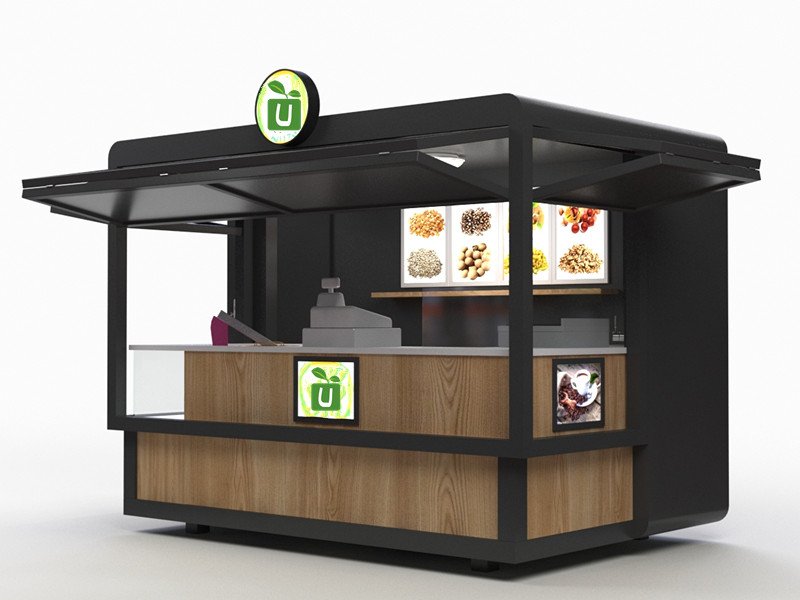
A key strength of the outdoor kiosk is its agility in adapting to consumer trends and seasonal shifts. The streamlined nature of the business allows for menu changes to be implemented quickly and with minimal cost. If consumer preference shifts towards plant-based milk alternatives, cold brew coffee, or gluten-free options, a kiosk can pivot its offering far faster than a larger establishment with a more complex supply chain.
Seasonality can be managed as an opportunity rather than a threat. While summer typically brings peak demand, a kiosk can adapt its menu for cooler months. Introducing hot chocolate, gourmet soups, warm pastries, or mulled wine can attract customers during autumn and winter. Furthermore, the potential mobility of the unit allows it to be moved to locations that remain busy year-round, such as near indoor sporting complexes or winter markets.
This adaptability also extends to event-based catering. The coffee kiosk can be booked for private functions, corporate events, and local festivals. This not only provides a significant revenue stream during potentially quieter periods but also introduces the brand to a new audience. By staying attuned to market demands and being willing to evolve, the kiosk business ensures its long-term relevance and continued profitability throughout the year.
Navigating Regulations and Setup for Success
While the model is lean, navigating the regulatory landscape is a critical step that cannot be overlooked. Due diligence is required to ensure full compliance with all local, state, and federal regulations. This includes securing the correct food business license from the local council, which will involve an inspection of the facility to ensure it meets all health and safety standards. Public liability insurance is non-negotiable and must be robust.
The specific requirements can vary significantly by council area. Regulations govern aspects such as waste disposal, water supply, power sources (e.g., generators versus hard-wired connections), and even approved trading hours. Some high-demand locations may require a tender application or a permit for trading on public land. Engaging with the local council’s health and business development departments early in the planning process is essential to avoid costly delays or compliance issues.