Steps to Design Unique Clothing Kiosk Use in Canada Mall
The Canadian retail landscape is a dynamic and competitive arena, with shopping malls serving as central hubs for consumer activity. For apparel retailers, a mall kiosk presents a unique opportunity: a lower-barrier-to-entry, high-traffic location with immense potential for brand exposure and sales. However, standing out in this bustling environment requires more than just a rack of clothes; it demands a meticulously crafted strategy that blends design, marketing, and operational excellence. A strategically designed one can become a destination in itself.
Step 1: Market Research and Brand Niche
Before a single sketch is drawn or a supplier is contacted, the most critical phase of your kiosk project begins with comprehensive market research and a razor-sharp definition of your brand. The success of your venture is entirely dependent on its relevance to the specific mall’s demographic and the broader Canadian market. This involves analyzing foot traffic patterns: who shops at this mall? Is it families with young children, fashion-forward teenagers, or professionals seeking high-end apparel? Understanding the income brackets, age groups, and cultural nuances of the local consumer base is non-negotiable. For instance, a kiosk selling high-end athleisure will have a very different strategy in Toronto’s Yorkdale Mall compared to a family-oriented mall in suburban Winnipeg.
Following this demographic analysis, you must identify a clear and underserved niche. The market is saturated with generic clothing options. Your kiosk must offer something unique—a specific style, a unique material like sustainable Canadian hemp or wool, or a customization service that larger stores cannot provide. This niche becomes your unique selling proposition (USP). Are you focusing on gender-neutral streetwear, curated vintage pieces, or performance-oriented apparel for Canada’s harsh winters? This definition will inform every subsequent decision, from your inventory selection to your visual merchandising and marketing voice.
Finally, a crucial part of this research phase is a direct competitor analysis. Map out every other apparel retailer in the mall, from large anchor stores to other kiosks. Identify what they offer, their price points, and their visual presentation. Your goal is not to imitate but to differentiate. It will reveal gaps in the market that you can exploit. Perhaps there’s a lack of affordable, fashion-forward menswear, or maybe no one is offering size-inclusive options. This grounded, research-first approach mitigates risk and provides a data-driven foundation for your creative and business decisions, ensuring your kiosk concept is built on insight.
Step 2: Spatial Design and Irresistible Layout
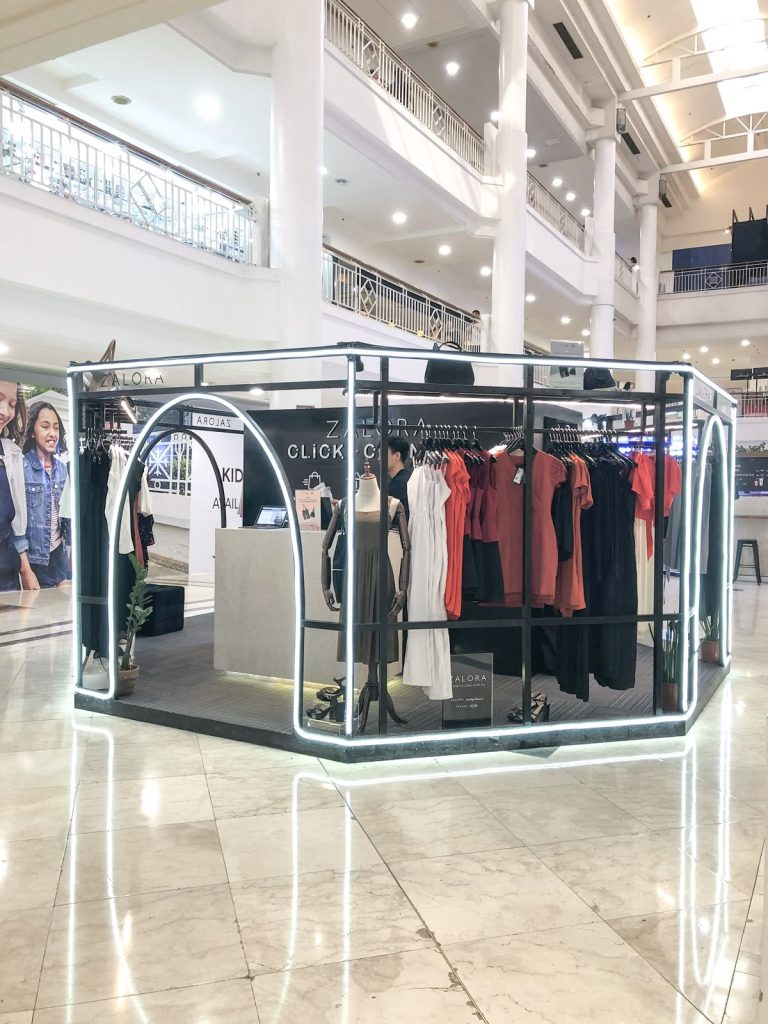
The physical design of your kiosk is where your brand strategy becomes tangible. In a mall environment, you have mere seconds to capture the attention of a passing shopper. Your layout and spatial design are your most powerful tools in achieving this. First, consult with mall management to understand the exact dimensions, structural limitations, and utilities available (electrical outlets, lighting restrictions). Your design must work within this fixed footprint while maximizing every square foot for both aesthetic appeal and operational efficiency. Create an open, inviting layout that encourages browsing.
Consider the customer’s journey through your kiosk. The layout should naturally guide them from a high-impact “hero” display at the entrance—showcasing your best-selling or most iconic items—deeper into the product range. Make key products visible from multiple angles. Since kiosks are typically open on all sides, a central core is often ideal for housing the cash wrap, storage, and changing room, allowing the merchandise to be displayed on the perimeter. The inclusion of a well-designed, private changing room a necessity for clothing retail. Significantly increases conversion rates by allowing immediate try-ons.
Materials and lighting are the unsung heroes of effective kiosk design. Choose finishes that reflect your brand’s personality: warm wood for a rustic, Canadiana feel; sleek metals and acrylic for a modern, tech-forward brand;or reclaimed materials to emphasize sustainability. A combination of ambient lighting to create a welcoming atmosphere and focused, directional spotlights to highlight specific garments is essential. Proper lighting makes colors pop and fabrics look their best, directly influencing perceived value. Every material, texture, and light fixture must be chosen for both durability in a high-traffic setting.
Step 3: Visual Identity and Merchandising Strategy
Your kiosk’s visual identity is the silent language it uses to communicate with customers. It encompasses your color palette, typography, signage, and visual merchandising. Consistency is key to building brand recognition and trust. Your logo should be prominently and professionally displayed at a high point on your kiosk for maximum visibility above the crowd. The color scheme used in your signage, packaging, and even staff uniforms should be harmonious and reflect the brand personality.
Use mannequins strategically to tell a story and showcase complete outfits; this helps customers visualize the clothing on themselves and encourages the sale of multiple items. Keep displays clean, uncluttered, and frequently refreshed. The “less is more” principle often applies. Group items by color or collection to create a visually pleasing and organized appearance that makes browsing intuitive. Since space is limited, your displayed inventory must be your absolute best, constantly rotated to give regular shoppers a reason to stop and see what’s new.
Finally, integrate clear, concise, and engaging signage throughout. Use signage to communicate your brand’s story, highlight your USP (e.g., “Locally Sourced Materials,” “Custom Embroidery On-Site”), and explain pricing. In a bilingual country like Canada, all major informational, promotional, and regulatory signage should be bilingual. Inclusive, professional, and compliant with national marketing standards. It shows cultural competence and significantly broadens your appeal. Your merchandising and identity should work together to create an immersive brand bubble that transports the customer away from the generic mall corridor.
Step 4: Technology and Customer Experience
For a clothing kiosk, this integration is a powerful differentiator that can enhance efficiency and customer satisfaction. The most fundamental technological component is your Point of Sale (POS) system. Opt for a modern, tablet-based system that is reliable and mobile. This allows for line-busting during peak hours—you can process transactions anywhere in the kiosk rather than forcing a queue at a fixed counter.
Beyond the transaction, technology can be used to create engaging experiences. Consider installing a large, high-resolution screen or digital lookbook that cycles through styled outfits, behind-the-scenes content, or user-generated photos from social media. This adds a dynamic, visual element that static displays cannot match. This transforms the kiosk from a simple point of sale into an interactive brand touchpoint.
Crucially, your technology strategy must also include a plan for customer data capture and e-commerce integration. Your kiosk has a finite amount of space, but your digital storefront builds a direct marketing channel for future promotions. Furthermore, ensure your brand has a strong, mobile-optimized online presence. Many mall shoppers will “showroom”—see an item at your kiosk and later purchase it online.
Step 5: Operational and Marketing Plan
The final step to ensuring your beautifully designed kiosk is a long-term profitable business is the implementation of robust operational and marketing plans. Operations begin with staffing. Your employees are the human embodiment of your brand; they must be knowledgeable, enthusiastic, and empowered to provide exceptional service. Invest in thorough training on product knowledge, sales techniques, and brand story. Develop clear procedures for opening, closing, restocking, and handling customer transactions and returns. Efficient operations ensure a consistently positive customer experience, which is essential for building repeat business.
Your marketing plan must be active from day one. It should be a blend of in-mall activations and digital outreach. Work with mall management to understand promotional opportunities, such as participating in mall-wide events or holiday campaigns. In-mall, consider short-term tactics like a charismatic “barker” (where permitted) or live demonstrations to draw a crowd. Geo-targeted ads announcing your opening or promoting a daily special are incredibly effective at driving foot traffic directly to your location.
Finally, adopt a mindset of continuous improvement based on data. Regularly analyze sales reports to identify your top-performing products, peak sales hours, and customer purchase patterns. Use this data to make informed decisions about inventory purchasing, staffing schedules, and promotional offers. Be prepared to pivot your merchandising or marketing tactics based on what the data tells you. The most successful retail kiosks are those that are agile, responsive to their customers’ demonstrated preferences, and committed to refining their model based on real-world performance metrics. This closed-loop process of plan, execute, measure, and adapt is what transforms a well-designed space into a thriving business.