How Store Layout Affects Sales?
In the highly competitive retail world, every aspect of a store matters, and the layout is arguably one of the most crucial elements. A well-designed shop layout can significantly boost sales, while a poor one can lead to missed opportunities and frustrated customers.

Entrance Area
Let’s start with the entrance. The entrance is the first impression a customer gets, and it needs to be inviting. A clear and open entryway, free from clutter, draws customers in. If it’s cramped or obstructed, shoppers may feel deterred and simply walk away. For example, a boutique with a charming wooden door and a small display of its latest arrivals just inside can pique curiosity. This initial visual cue can set the tone for the entire shopping experience.
Main Aisle
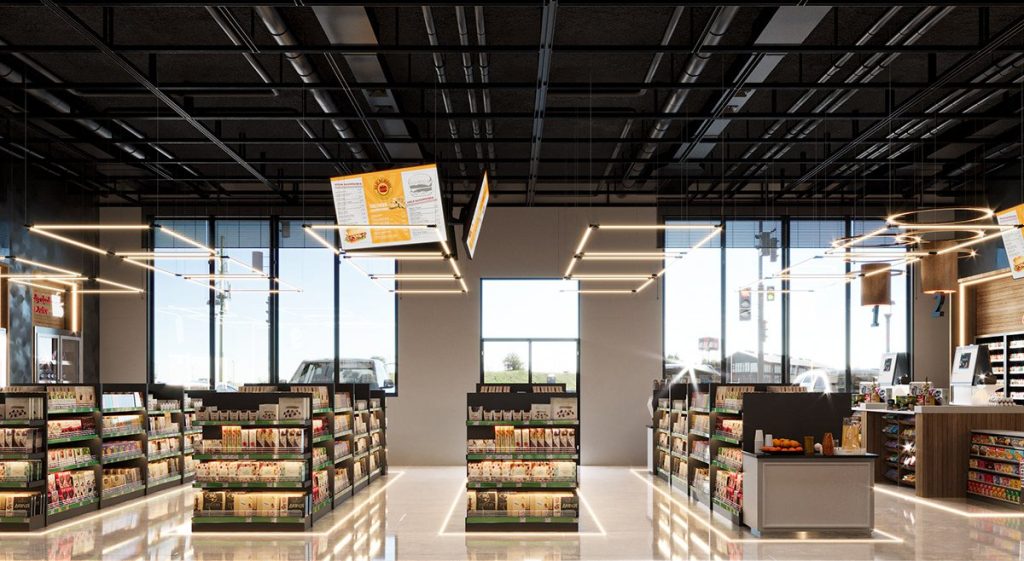
Once inside, the main aisle plays a pivotal role. It should be wide enough to allow for easy navigation, especially during peak hours. If customers constantly have to squeeze past each other or dodge shopping carts, it creates a sense of chaos and discomfort. A well-spaced main aisle, like the one in a large supermarket with wooden strip flooring guiding the way, gives customers a clear path to explore different departments. This encourages them to venture further into the store and increases the likelihood of impulse purchases.
Departmental Layout
Departmental layout is another key factor. In a clothing store, grouping items by style, season, or gender makes it effortless for customers to find what they’re looking for. For instance, having a dedicated section for summer dresses adjacent to the accessories area means shoppers can easily put together a complete outfit. This convenience not only saves time but also enhances the shopping experience, leading to higher sales. In a grocery store, separating fresh produce, dairy, and dry goods into distinct sections with clear signage helps customers quickly locate their essentials.

Prominent Location For Popular Items
The placement of high-margin and popular items is a strategic move. Retailers often place these products at eye level or near the checkout. In a convenience store, the shelves near the register are stocked with impulse-buy items like chocolates, gum, and magazines. Customers waiting in line are more likely to grab these small treats, adding to the overall sales. Similarly, in a department store, the latest and most expensive electronics might be showcased in a prominent central location, attracting attention and enticing customers to splurge.
Fitting Room
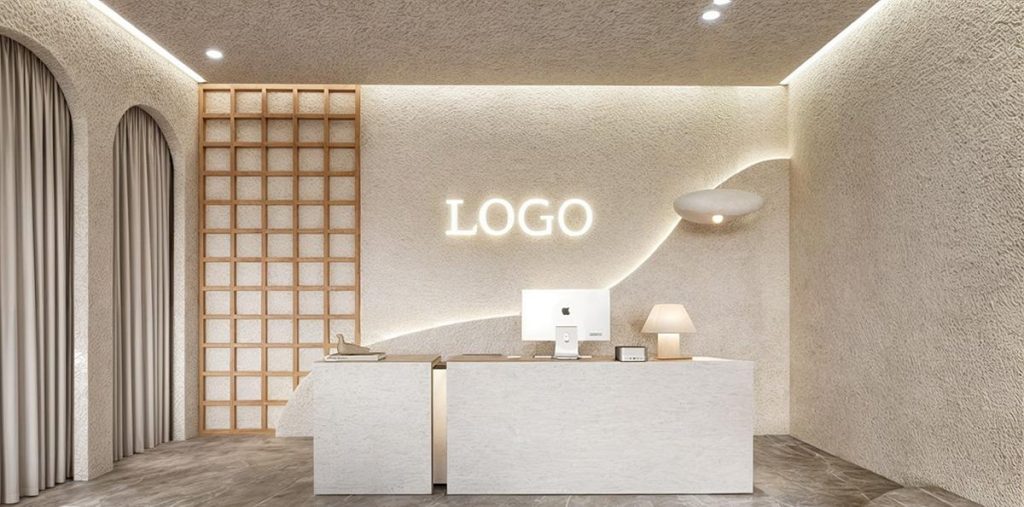
Fitting rooms also impact sales. In a clothing shop, well-designed fitting rooms with proper lighting, comfortable seating, and enough space to move around can make a world of difference. If customers feel cramped or can’t accurately assess how an outfit looks due to poor lighting, they’re less likely to make a purchase. On the other hand, a luxurious fitting room with soft, flattering light and full-length mirrors can transform the try-on experience and increase the conversion rate.
Store Ambiance
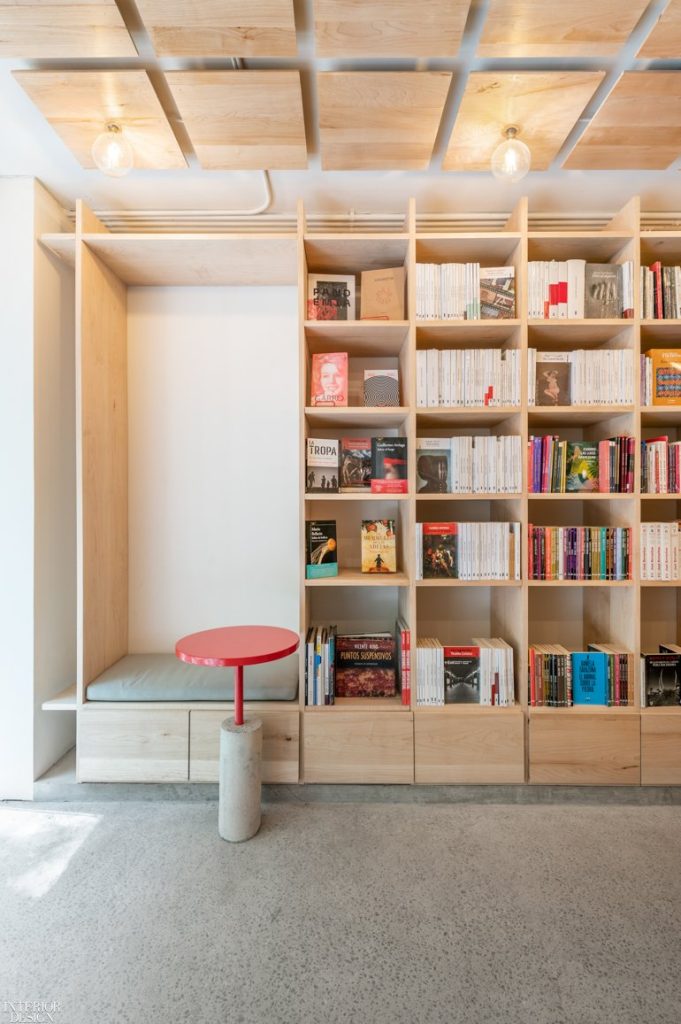
The overall store ambiance, closely related to the layout, is essential. A bookstore with cozy reading nooks, warm lighting, and wooden bookshelves creates an inviting atmosphere. Customers are more inclined to stay longer, browse through more books, and ultimately make a purchase. In contrast, a store with harsh fluorescent lighting and a sterile layout feels uninviting and rushed.
Signage & Visual Cues
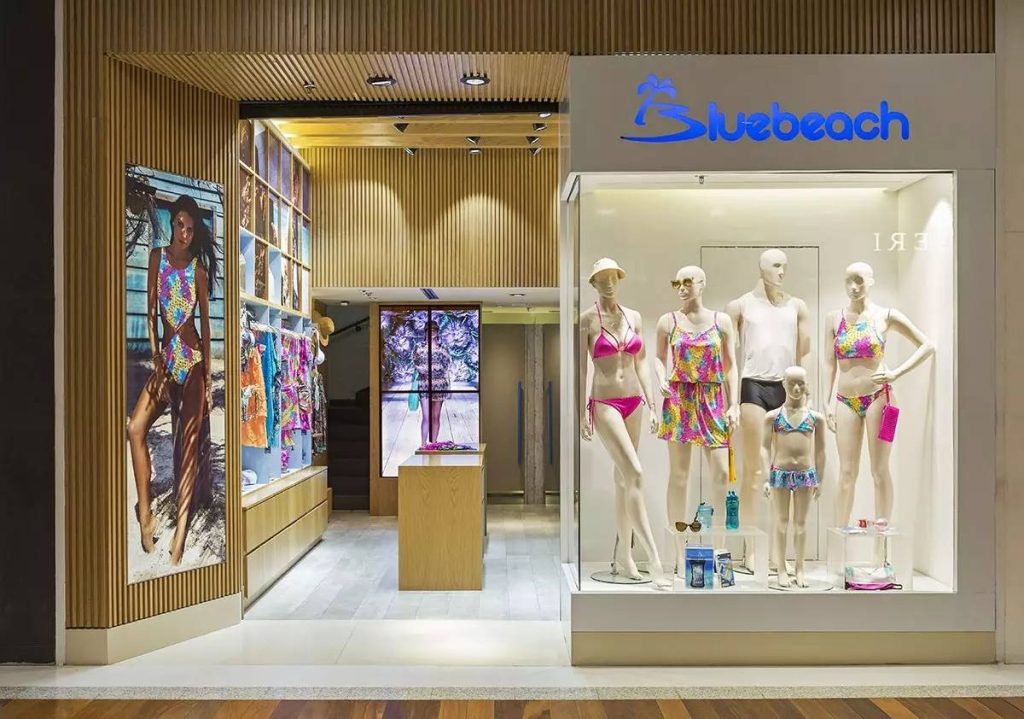
Moreover, the use of signage and visual cues is vital. Clear and attractive signs guide customers to different areas and highlight special offers. In a home decor store, signs made of rustic wood can point customers to the furniture section, the bedding area, or the clearance aisle. Visual cues like mannequins dressed in trendy outfits in a fashion store can inspire customers and give them ideas for their own purchases.
Conclusion
In conclusion, store layout is far more than just arranging shelves and displays. It’s about creating an experience that engages customers, makes shopping effortless, and ultimately drives sales. By carefully considering every element, from the entrance to the fitting rooms, retailers can unlock the potential of their physical space and thrive in the competitive marketplace. Whether it’s a small local shop or a large chain store, investing in a well-thought-out layout is an investment in success. As the retail landscape continues to evolve, understanding and optimizing store layout will remain a constant and crucial strategy for boosting revenue and building customer loyalty.