Convenience Store in 2025:The Importance of Layout and Design
The convenience store landscape has changed significantly over the past few decades, and as we move into 2025, the focus on layout and design becomes increasingly critical in enhancing customer experience and driving sales. A well-planned store layout not only maximizes space but also creates an inviting environment that encourages shoppers to linger, explore, and ultimately purchase. This post will delve into the essential elements of convenience store design, all of which play a key role in shaping the customer journey.

1. The Rise of the Cafe Area
In 2025, the concept of convenience stores will continue to shift towards becoming more than just places to grab quick snacks or essentials. The incorporation of cafe areas is one of the most significant trends influencing store design. These spaces serve as important social hubs where customers can enjoy freshly brewed coffee, grab a quick bite, or relax with friends.
A well-designed cafe area should feature comfortable seating, adequate lighting, and a warm ambiance. Consideration should be given to the placement of seating—arranging tables in clusters fosters social interaction, while maintaining sufficient space allows for individual contemplation. The design should also include elements like soft furnishings, greenery, and art that reflect the local culture, creating a welcoming atmosphere. By integrating a cafe space, convenience stores can attract a diverse clientele, from busy professionals to students and families, enhancing foot traffic and overall sales.
2. Optimizing the Seating Area
The seating area is an extension of the cafe and plays a crucial role in encouraging customers to stay longer. The seating arrangements in convenience stores will be designed with flexibility in mind. Modular furniture that can be easily rearranged allows for different group sizes and types of gatherings.
For example, some tables can accommodate small groups, while others are designed for larger gatherings. Bar-height seating along the windows can attract solo customers who wish to enjoy their coffee while people-watching. Additionally, adding charging ports and Wi-Fi access can turn the seating area into a workspace for remote workers and students, making the store a go-to destination for productivity.
3. The Counter: More Than Just a Checkout Point
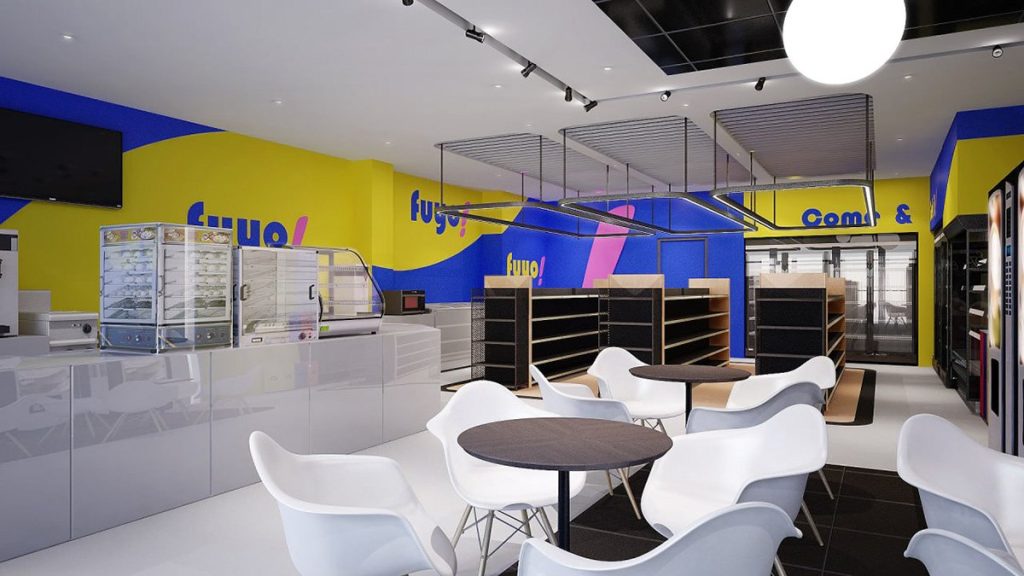
In the convenience store, the counter evolves from being merely a checkout point to a multifunctional area that enhances the customer experience. The design of the counter should promote efficiency while also encouraging interaction between staff and customers. A well-placed, ergonomically designed counter can help streamline transactions, minimizing wait times.
Incorporating technology, such as self-checkout kiosks and mobile payment options, can cater to tech-savvy customers who prefer a quick and contactless purchase. Meanwhile, trained staff at the counter can offer personalized recommendations, provide information about promotions, or engage customers in conversation, enhancing the overall experience.
Furthermore, the counter can also serve as an area for impulse purchases. Display cases for baked goods, grab-and-go snacks, or limited-time offers can be strategically placed at the counter to entice customers while they wait, boosting last-minute sales.
4. Display Shelves: The Art of Visual Merchandising
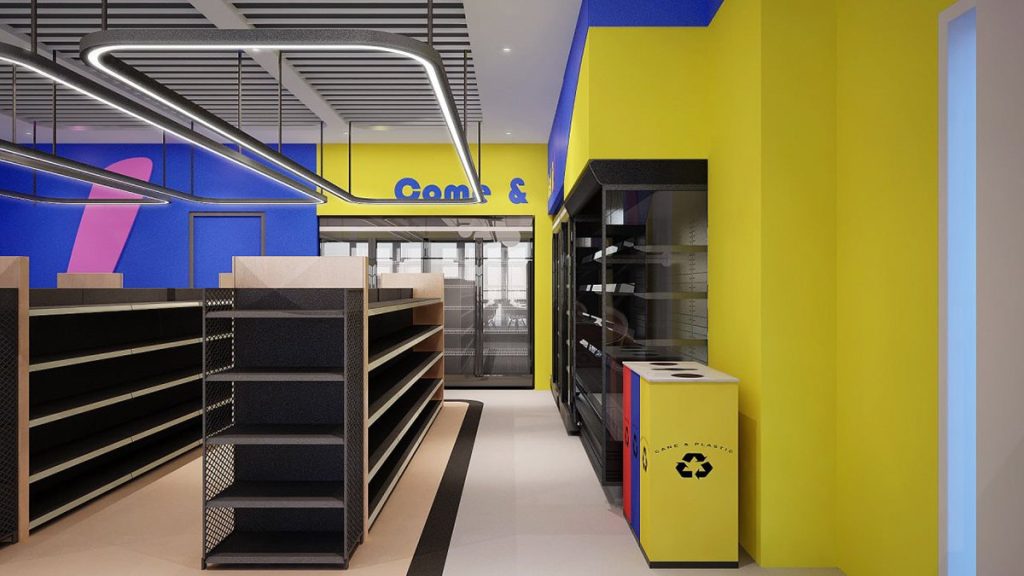
Display shelves are perhaps one of the most critical components of a convenience store’s layout. In 2025, visual merchandising will play a significant role in attracting customers’ attention and guiding their purchasing decisions. The design of display shelves should prioritize product visibility and accessibility while reflecting the store’s unique brand identity.
Using varying shelf heights and angles can create visual interest while making it easier for customers to browse items. End caps—the shelves at the ends of aisles—should be utilized for promotions and seasonal products, drawing customers’ attention as they navigate the store.
Incorporating technology into display shelves can also enhance the shopping experience. For example, using digital screens to showcase promotions or product information can engage customers and provide them with more information at their fingertips. Additionally, interactive displays that allow customers to learn more about product origins or benefits can foster a deeper connection with the brand.
5. The Flow of the Store: Creating a Logical Pathway
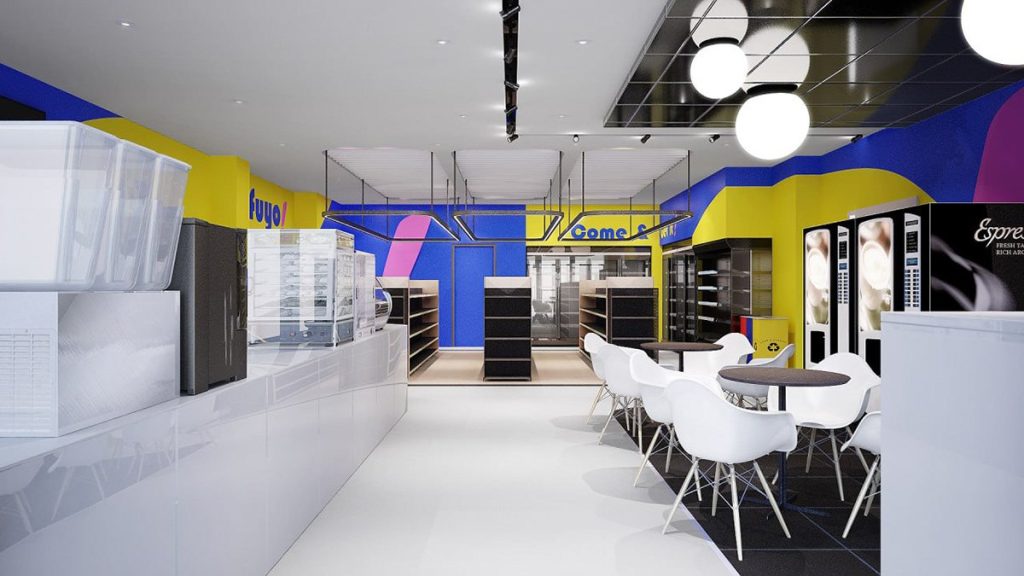
The overall flow of the store is essential in guiding customers through their shopping experience. Convenience store layouts with a logical pathway will encourage exploration while minimizing congestion.
A common approach is to place high-demand items, such as beverages and snacks, towards the back of the store. This strategy encourages customers to walk through the store, increasing visibility of other products along the way. The layout should also consider natural traffic patterns, ensuring that busy aisles are wide enough to accommodate shoppers comfortably.
Incorporating wayfinding elements such as signage, color-coded areas, or thematic zones can help customers navigate the store more easily. Clear signage indicating different product categories can reduce confusion and improve the shopping experience, leading to increased customer satisfaction.

In conclusion, the layout and design of a convenience store play a pivotal role in its success. It’s about creating a seamless experience that caters to the diverse needs of customers. With careful planning, convenience stores can transform into community gathering places, destinations for a quick break or a shopping spree. They become more than just stores; they are integral parts of the urban fabric, enhancing the quality of life for those who frequent them.