Why Supermarket Expansion is Thriving in the Canadian Market?
It’s a great option to start supermarket in Canada. The Canadian grocery landscape is a dynamic and resilient sector, consistently attracting significant investment and new market entrants. A new supermarket opening determines by demographic, economic, and strategic. For investors, retailers, and commercial developers, understanding market trend is essential.
A Stable Economic Foundation
The Canadian economy provides a robust and predictable platform for supermarket investment. A large population enjoys consistently high disposable income. Consumer spending on groceries, including premium and specialty products, continues to grow. Furthermore, strong banking system and well-developed financial regulatory environment. Provides retailers with ample funding for large-scale development and day-to-day operations. It reduces risk and encourages long-term planning.
Canada actively accepts large numbers of immigrants each year. Ensuring continued population growth. Directly stimulates demand for housing, infrastructure, and food retail, particularly grocery retail. The establishment of new families requires a stable food supply. Continuous influx of people helps maintain demand even in mature markets. Createing opportunities to open new stores. It provides an inherent growth mechanism. Ensuring that supermarkets’ customer base is constantly renewed and expanded.
The very nature of the grocery industry gives it a defensive economic character. Food is a necessity, indispensable. Even during economic downturns or periods of inflation, consumers will still buy groceries. Although their purchasing patterns may change. This makes the supermarket industry remarkably resilient. Consumers may postpone buying a new car or a television, but they won’t postpone buying groceries. Groceries offer reliable long-term returns, not speculative profits.
Evolving Consumer Tastes
The modern Canadian shopper is increasingly informed, health-conscious, and diverse in their culinary expectations. This evolution is a primary catalyst for supermarket growth and specialization. No longer is a one-size-fits-all model sufficient. Consumers are actively seeking out fresh, organic, and locally sourced produce. They are reading labels, looking for antibiotic-free meats, plant-based alternatives, and products with minimal processing. This shift has compelled supermarkets to move beyond being mere purveyors of packaged goods and become curators of fresh, high-quality, and ethically sourced food.
This diversification of taste is heavily influenced by Canada’s multicultural demographic fabric. Cities like Toronto, Vancouver, and Montreal are mosaics of global cultures. Each with distinct culinary traditions. A successful supermarket must cater to this reality. This means stocking a wide array of international ingredients. From specific chili pastes and spices to unique cuts of meat and produce like bok choy, plantains, or daikon radishes. For many chains, this has led to the development of dedicated “World Foods” aisles or even entirely new store formats tailored to specific ethnic communities. A supermarket’s ability to serve a diverse clientele is now a key determinant of its competitiveness and popularity in a given neighborhood.
In response to these sophisticated tastes, the very format of supermarkets is evolving. Many stores now incorporate extensive prepared food sections. Offering high-quality, restaurant-level meals for take-home convenience. This caters to time-pressed professionals and families seeking healthy alternatives to fast food. Additionally, the growth of private-label brands, from basic, value-oriented lines to premium, artisanal collections. Allows supermarkets to exert greater control over quality, pricing, and margin. While directly meeting consumer demand for both affordability and gourmet experiences. This strategic move helps build customer loyalty and differentiates one chain from another in a crowded marketplace.
Strategic Market Opportunities
Within the broad Canadian market, specific strategic opportunities have become powerful magnets for supermarket development. The most prominent of these is the deliberate expansion into the discount and value segment. In an era of heightened cost sensitivity, chains have experienced significant growth. Their limited-service, high-volume model appeals to a wide range of consumers, from budget-conscious families to students and seniors. For parent companies, operating a discount banner allows them to capture market share across different income demographics. This multi-banner strategy is a sophisticated way to blanket the market. Ensure corporation maintaining a dominant position, regardless of economic conditions.
Another key opportunity lies in the underserved areas of rural and remote communities. While major urban centers are highly competitive, many smaller towns and northern regions face a stark lack of grocery options. Often resulting in higher food prices and limited selection. Smaller, represent a chance to establish a near-monopoly with a captive customer base. Government initiatives and grants sometimes exist to support food security in these areas. Providing additional incentives. Although logistics are complex. The potential for community impact and stable profitability is significant, making it a compelling niche for targeted supermarket development.
The digital and omnichannel frontier represents the most transformative market opportunity. The pandemic accelerated the adoption of online grocery shopping from a convenience to a necessity. Today, a robust e-commerce platform is an optional add-on and for survival and growth. Supermarkets are investing heavily in their digital infrastructure, from user-friendly apps and websites to automated fulfillment centers. This channel creates a new revenue stream and deepens customer engagement by offering unparalleled convenience. Successfully integrating the online and in-store experience is the current battleground for market leadership. Creating a wave of investment and innovation in the sector.
Favorable Real Estate Dynamics
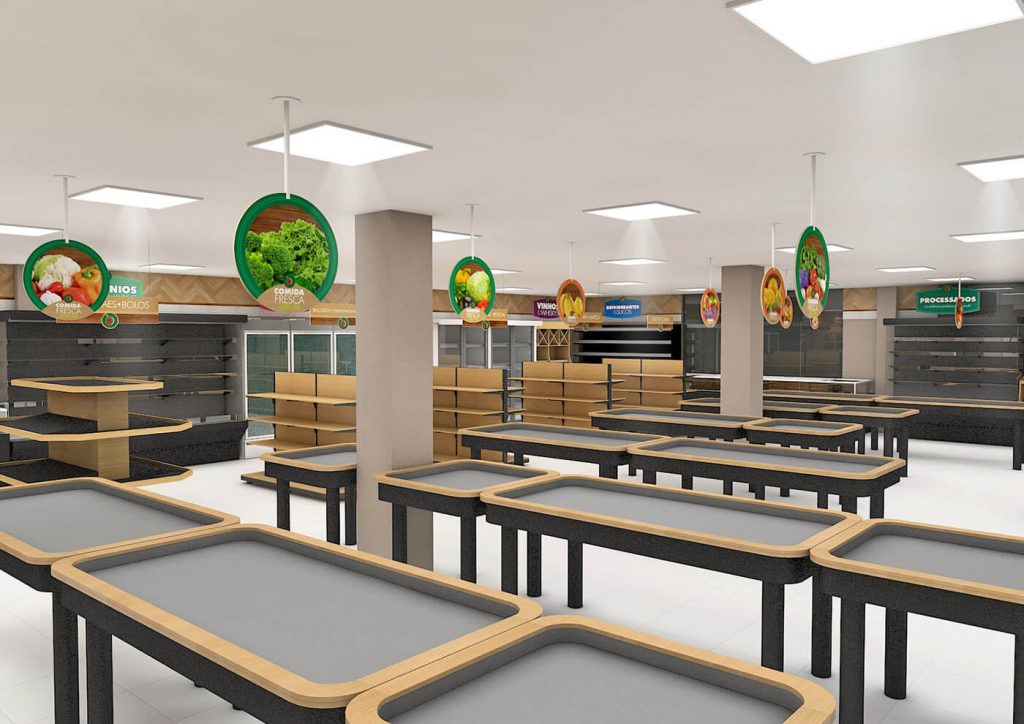
Physical placement of a supermarket determines success, and in Canada. Favorable real estate dynamics often align to support new developments. Large-scale residential projects, particularly in suburban growth corridors. Frequently integrate a supermarket as an anchor tenant. For developers, a reputable grocery chain drives significant daily foot traffic. Which in turn increases the value and lease rates for the surrounding smaller retail units. This symbiotic relationship makes grocery anchors highly desirable for property developers. Who may offer attractive leasing terms to secure them. This model creates a pipeline of new. Modern retail spaces designed specifically for supermarket operations as cities expand.
Within urban cores, a trend toward densification and mixed-use developments creates another strategic real estate opportunity. As cities encourage higher-density living to combat sprawl. New residential towers often include ground-floor retail space. Smaller-format supermarkets are perfectly suited for these locations. Catering to the “shop small, shop often” habits of urban dwellers who may not have cars. These stores prioritize convenience, fresh prepared foods, and a curated selection of goods. Fitting the lifestyle of their customer base.
Finally, the concept of the supermarket itself is evolving within the real estate landscape. Many new stores are being designed as “destinations”. They may feature in-store cafes, sit-down sushi bars, cooking demonstration areas, or community rooms. This enhances the customer experience. Increases dwell time, and boosts sales across all categories. By becoming a community hub, the supermarket strengthens its competitive position against other grocery stores, restaurants and quick-service food outlets. This evolution requires sophisticated real estate planning and design. Further fueling a cycle of development and reinvestment in the sector.