The Ideal Toy Shop Fixtures Furniture in Unique Factory
In the competitive world of retail, a toy shop’s success hinges not only on the quality and variety of its products but also on the ambiance and functionality of its store fixtures. As a customized commercial furniture factory, we understand the unique requirements of toy shops and the importance of creating fixtures that not only showcase toys effectively but also enhance the overall shopping experience for customers.
Stype of Toy Shop
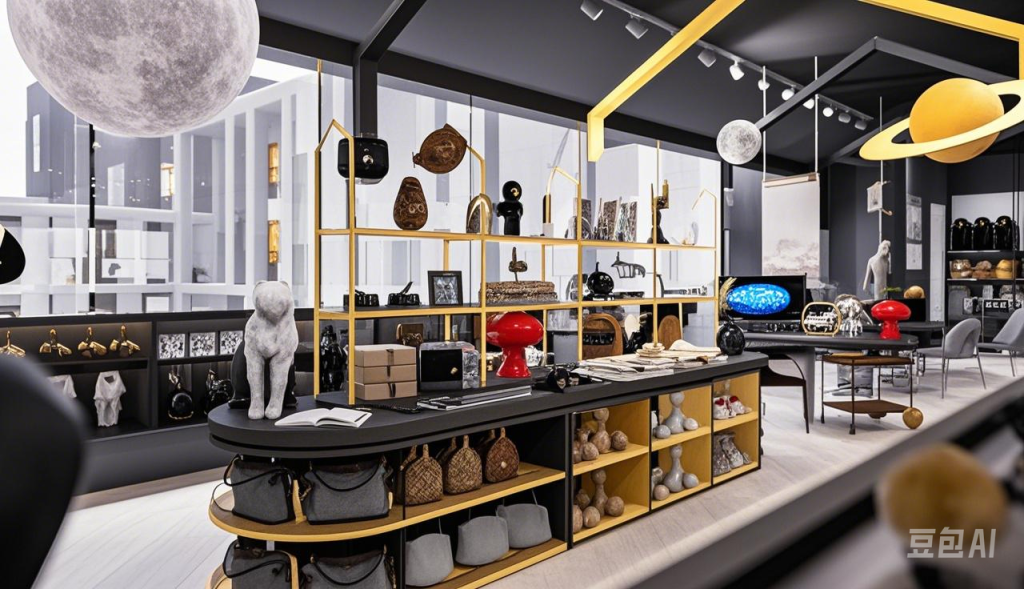
The overall color tone is mainly black and yellow. The black creates a mysterious and profound atmosphere, like the vast universe. The bright yellow brings vitality and visual impact, making the space more layered. The iconic “MOON” logo clarifies the theme style.
There are realistic moon-shaped chandeliers and planetary decorations hanging in many places in the store, as if bringing customers into a space scene. The yellow geometric frame structure simulates the outline of the house. Which not only divides different functional areas, but also adds fun and three-dimensionality.
From the perspective of display layout, it is flexible and practical. There are round and long display stands in the middle area, with open storage compartments under and on the sides of the display stands for convenient placement of various toys. Dolls, models and other products are placed on the top, and some small art ornaments are placed around to enhance the display effect. There are multi-layer open shelves against the wall. Which can accommodate a large number of toys, and customers can browse and select easily.
Understanding the Toy Shop’s Brand and Concept
Before embarking on the design and production of toy shop fixtures. It is crucial to have a deep understanding of the shop’s brand and concept. Every toy shop has its own unique identity, whether it is a traditional toy store, a modern and trendy play boutique, or a specialty store focused on educational toys. By aligning the fixtures with the brand, we can create a cohesive and immersive shopping environment that resonates with the target audience.
Designing for Functionality and Flexibility
Toy shops need fixtures that are not only visually appealing but also highly functional. The fixtures should be designed to accommodate a wide range of toy sizes and types, from small action figures to large stuffed animals. They should also provide ample storage space for inventory, as well as display areas for promotional items and new arrivals.
One of the key considerations in designing toy shop fixtures is flexibility. Toy trends and product lines change frequently, so the fixtures need to be adaptable to accommodate these changes. Modular fixtures, for example, can be easily reconfigured to create different display layouts or to add or remove sections as needed. This allows the toy shop to update its displays regularly and keep the store looking fresh and exciting.
Another important aspect of functionality is accessibility. The fixtures should be designed to make it easy for customers to browse and interact with the toys. This may include features such as low shelves, clear signage, and open display areas. By creating a user-friendly environment, we can enhance the customer experience and encourage more purchases.
Incorporating Interactive Elements
In today’s digital age, customers expect more than just a passive shopping experience. They want to be engaged and entertained, especially when it comes to toys. Incorporating interactive elements into the toy shop fixtures can help to create a more immersive and memorable shopping experience for customers.
Some examples of interactive elements that can be incorporated into toy shop fixtures include touchscreens, video displays, and interactive play areas. Touchscreens can be used to showcase product information, play videos, or allow customers to interact with virtual toys. Video displays can be used to create a dynamic and engaging atmosphere. While interactive play areas can encourage customers to try out the toys before making a purchase.
By incorporating interactive elements into the toy shop fixtures. We can not only enhance the customer experience but also increase customer engagement and sales. Customers are more likely to spend time in a store that offers a fun and interactive shopping experience. And they are also more likely to make a purchase if they have had a positive experience with the toys.
Lighting and Visual Merchandising
Lighting and visual merchandising play a crucial role in creating an attractive and inviting toy shop. The right lighting can enhance the colors and textures of the toys, making them more appealing to customers. It can also create a warm and inviting atmosphere, encouraging customers to stay in the store longer and explore the products.
When designing the lighting for a toy shop, it is important to consider the different types of toys and how they will be displayed. For example, small toys may require more focused lighting to highlight their details. While large toys may benefit from more ambient lighting to create a sense of drama. It is also important to use a combination of natural and artificial lighting to create a balanced and inviting atmosphere.