Key Layout in Large Clothing Shop Design Concept
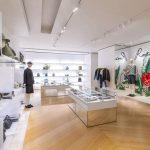
When it comes to retail, especially the apparel industry, store layout can significantly affect customer experience, sales, and brand perception. A well-thought-out design should cater not only to the aesthetics of the fashion being sold but also the functionality of the space. This article delves into the key layout concepts for a large clothing shop, specifically focusing on men’s clothes, women’s clothes, handbag displays, seating area, display fixtures.

1. Zoning the Store
The first step in designing the layout of a large clothing shop is zoning the space into distinct areas. This segmentation helps both customers and employees navigate the store efficiently. Typically, the most common zones include: Men’s Clothing Section, Women’s Clothing Section, Accessory Section, Lounge Area.

Men’s Clothing Section
The men’s clothing area should be strategically located at the one side of the store, drawing customers through the store to reach it. This design keeps the store organized and makes the area distinguishable. Displaying a variety of men’s clothing—ranging from formal wear to casual attire—on hanging rods creates an organized appearance and allows easy access.
Women’s Clothing Section
The women’s clothing area often becomes the focal point of the store, as it typically garners the most interest. Position this section prominently near the entrance. Use display shelves to showcase trendy items, while hanging rods can be used for dresses, tops, bottoms, and outerwear. Consider color-coordinating sections to create a visually appealing flow that guides customers through.
2. Creating a Seamless Flow
The layout should encourage a natural flow of foot traffic. Pathways should be clear and intuitive, allowing customers to explore without feeling congested. To achieve this, consider the following:
- Wide Aisles: Ensure that aisles are spacious enough for customers to navigate comfortably, especially during peak shopping hours.
- Strategic Placement of Display Shelves: Use display shelves to create pathways that guide customers through the store. For example, place shelves at angles that draw customers toward different sections.
- Mannequin Displays: Position mannequins at the ends of aisles or in prominent places to showcase complete outfits. This not only attracts attention but also inspires customers with styling ideas.

3. Incorporating Handbag Displays
The handbag section should be easily accessible, possibly adjacent to the women’s clothing area. Use sleek display racks to showcase handbags effectively. Here are some tips to optimize handbag displays:
- Eye-Level Placement: Place bags at eye level to ensure they are easily visible and accessible.
- Thematic Grouping: Organize handbags by style, color, or season. This thematic approach helps customers find what they are looking for quickly.
- Interactive Displays: Consider incorporating a display that allows customers to touch and feel the handbags, enhancing the shopping experience.

4. Lounge Area: A Space for Relaxation
A lounge area is essential in a large clothing shop, providing customers with a space to relax and regroup during their shopping experience. This area can include comfortable seating, charging stations for devices, and even mirrors for trying on accessories. Here’s how to create a welcoming lounge area:
- Comfortable Seating: Use plush chairs or sofas that invite customers to sit down. Arrange seating in small clusters to encourage conversations and a relaxed atmosphere.
- Decorative Elements: Use plants, light fixtures, and artwork to create an inviting ambiance. The lounge should feel separate from the retail space while still maintaining the brand’s aesthetic.
- Refreshments: Consider offering complimentary refreshments, such as water or coffee, to enhance the shopping experience and encourage customers to linger.

5. Utilizing Mannequins Effectively
Mannequins serve as both decorative elements and promotional tools in a clothing store. They can highlight new arrivals, showcase seasonal collections, and inspire outfit combinations. Here are some suggestions for effective mannequin use:
- Diverse Representation: Use mannequins of various sizes, ethnicities, and genders to reflect your customer base and promote inclusivity.
- Seasonal Displays: Change mannequin outfits seasonally to align with current fashion trends and store promotions.
- Creative Posing: Style the mannequins in dynamic poses that mimic real-life situations, such as walking or engaging in activities. This approach gives customers a better sense of how the clothing fits and moves.

6. Maximizing Storage and Display Space
In a large clothing shop, maximizing both storage and display space is crucial for maintaining an organized and visually appealing environment. Here are ways to achieve this:
- Hanging Rods: Use hanging rods at different heights to accommodate various clothing types, such as dresses, shirts, and pants. Double-hanging rods can significantly increase space efficiency.
- Display Shelves: Utilize display shelves for folded items like sweaters or jeans. Ensure they are organized and well-stocked but not overcrowded.
- Back-of-House Storage: Design a functional back-of-house area for stock replenishment, ensuring that items can be restocked quickly and efficiently without disrupting the customer experience.

7. Checkout Area
The checkout counter should be visually appealing and align with the overall branding of the store. Utilizing high-quality materials and thoughtful design can enhance the perceived value of the shopping experience. Incorporating elements such as marble countertop and bar facade or unique lighting can make the checkout area inviting.
8. Lighting and Ambiance
Lighting plays a crucial role in a clothing shop’s atmosphere. It can enhance product displays while creating an inviting environment. Consider these aspects:
- Layered Lighting: Use a combination of ambient, task, and accent lighting. Ambient lighting provides general illumination, task lighting highlights specific areas (like the handbag display), and accent lighting draws attention to special features (like mannequins).
- Adjustable Lighting: Consider using dimmable lights to adjust the ambiance according to the time of day or special events.
- Natural Light: If possible, incorporate large windows to allow natural light into the store. This helps create a welcoming atmosphere while showcasing merchandise in the best light.
Conclusion
Designing the key layout of a large clothing shop is a multifaceted process that requires thoughtful consideration of various elements. From effectively zoning the store to creating an inviting lounge area, every aspect contributes to the overall shopping experience. By thoughtfully considering these elements, you can craft an environment that not only showcases your products but also makes customers feel valued and inspired. Ultimately, a well-designed clothing shop layout will improve customer satisfaction, enhance brand identity, and drive sales.