How to Start and Design a Beauty Nail Shop
The beauty industry, particularly the nail care sector, continues to thrive as self-care becomes a priority for many. Starting a nail salon offers a lucrative opportunity, but success hinges on strategic planning, thoughtful design, and exceptional customer service. This guide walks you through every step, from market research to grand opening, ensuring your salon stands out in a competitive market.
Laying the Foundation for Your Nail Shop
Conduct Market Research
Before investing, understand your local market:
Identify Your Target Audience: Are they luxury seekers, budget-conscious clients, or eco-friendly consumers? Demographics like age, income, and lifestyle shape your services.
Analyze Competitors: Visit local salons to assess pricing, services, and customer experience. Identify gaps (e.g., lack of organic products or nail art specialists).
Trendspotting: Follow trends like chrome finishes, minimalist designs, or gel extensions. Incorporate popular services while adding unique twists.
Craft a Business Plan
A detailed plan ensures clarity and attracts investors:
Services Offered: Beyond basics (manicures, pedicures), consider add-ons like nail art, paraffin treatments, or express services.
Pricing Strategy: Balance affordability and profitability. Tiered pricing (basic, premium, luxury) caters to diverse clients.
Financial Projections: Estimate startup costs (30k–100k for rent, renovations, equipment) and monthly expenses (rent, salaries, supplies).
Navigate Legal Requirements
Licenses: Obtain a business license, cosmetology license, and health department permits. Requirements vary by location.
Insurance: General liability and professional indemnity insurance protect against accidents or dissatisfaction.
Health Regulations: Adhere to strict sanitation protocols (autoclave sterilizers, disposable tools) to comply with local laws.

Choose the Perfect Location
Visibility & Accessibility: High foot traffic areas (malls, downtowns) attract walk-ins. Ensure parking or public transit access.
Lease Negotiation: Opt for flexible terms. Consider shared spaces with hair salons or spas for cross-promotion.
Budgeting and Financing
Startup Costs: Allocate funds for renovations, equipment, initial inventory, and marketing.
Ongoing Expenses: Factor in utilities, staff wages, and product restocking. Explore loans, grants, or crowdfunding if needed.
Designing Your Nail Salon
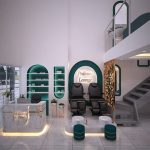
Reception area importance, workstation setup, drying area comfort, retail space for products. Decor: color psychology, lighting types (natural vs ambient), furniture style and comfort. Equipment: manicure tables, pedicure chairs, sterilization tools. Branding: logo design, signage, online presence (website, social media).
Layout for Efficiency and Comfort
Reception Area: Create a welcoming first impression with comfortable seating, a branded backdrop, and a retail display.
Workstations: Space manicure tables 4–5 feet apart for privacy. Ensure pedicure chairs have ergonomic support.
Drying Area: Install UV/LED drying lamps and lounge-style seating with magazines or tablets for entertainment.
Retail Zone: Showcase polish brands, cuticle oils, and aftercare products near the exit to encourage purchases.

Decor and Ambiance
Color Palette: Soft neutrals (blush, sage) evoke calm, while metallic accents add luxury. Avoid overly bright colors that clash with nail art displays.
Lighting: Combine natural light with warm LED fixtures. Adjustable task lighting at stations ensures precision.
Furniture: Prioritize comfort with cushioned chairs and clean lines. Use washable, durable materials for easy upkeep.
Themes: Consider a “spa retreat” (wood accents, plants) or “modern chic” (sleek surfaces, geometric decor).
Invest in Quality Equipment
Manicure Tables: Opt for built-in ventilation systems to reduce fumes.
Pedicure Stations: Heated massage chairs elevate the experience.
Sterilization Tools: Autoclaves and UV sterilizers ensure compliance and client trust.
Branding and Aesthetics
Logo and Signage: Design a memorable logo (e.g., elegant typography with a nail art icon). Use illuminated signage for visibility.
Digital Presence: Build a website with booking options and an Instagram feed showcasing your work.

Operations and Growth Strategies
Hiring and Training Staff
Recruit licensed technicians with diverse skills (e.g., nail art, gel application).
Provide ongoing training on trends, customer service, and hygiene.
Marketing Your Salon
Social Media: Post tutorials, client transformations, and behind-the-scenes content.
Partnerships: Collaborate with local influencers or bridal shops for referrals.
Grand Opening: Offer discounts, free consultations, or mini services to attract crowds.
Elevating Customer Experience
Consultations: Use iPads to display design options and recommend treatments based on nail health.
Loyalty Programs: Reward repeat clients with discounts or free add-ons.
Comfort Amenities: Provide beverages, Wi-Fi, and soothing music to enhance relaxation.
Conclusion
Launching a nail salon demands meticulous planning, creativity, and dedication. By blending strategic location selection, ergonomic design, and standout branding, you’ll create a space where clients return not just for the service, but for the experience. Stay adaptable to trends, prioritize hygiene, and foster genuine connections to build a loyal clientele. Your dream nail shop isn’t just a business—it’s a destination for beauty and confidence.
Final Tip: Always seek feedback and innovate. The beauty industry evolves rapidly. Staying ahead ensures long-term success.