How to Decorate an Industrial Bar-Style Candy Store in Detroit?
Detroit is a city built on a foundation of grit, innovation, and raw authenticity. Its architectural landscape, a testament to its industrial heritage, provides a powerful and evocative backdrop for new retail concepts. One of the most compelling ideas to emerge is the industrial bar-style candy store—a place that contrasts the sweet, nostalgic nature of candy with the robust, unrefined character of urban Detroit. This design approach is a strategic business decision. Creates a memorable experience, tells a story, and firmly roots your brand in the local context.
Embrace the Raw Canvas
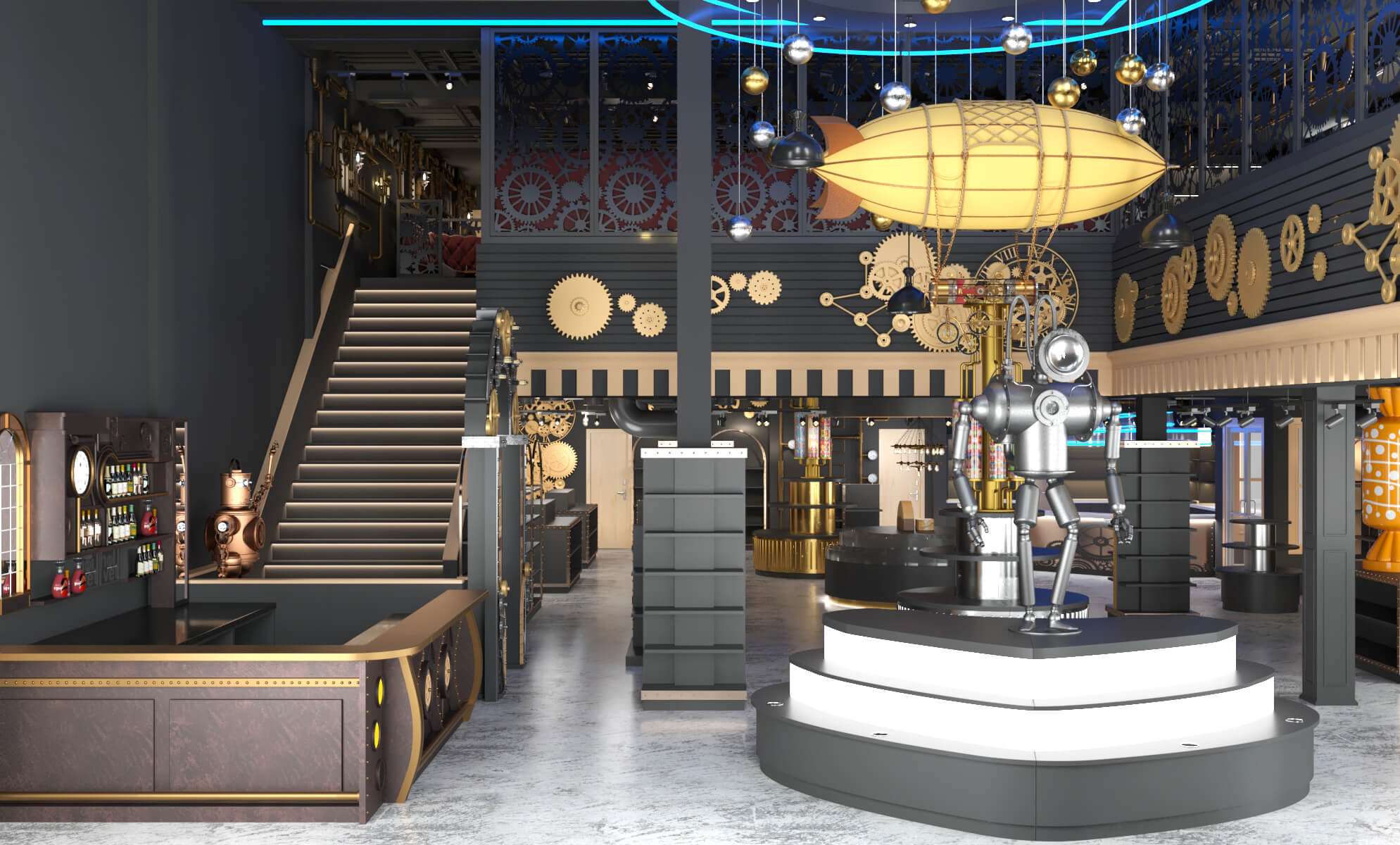
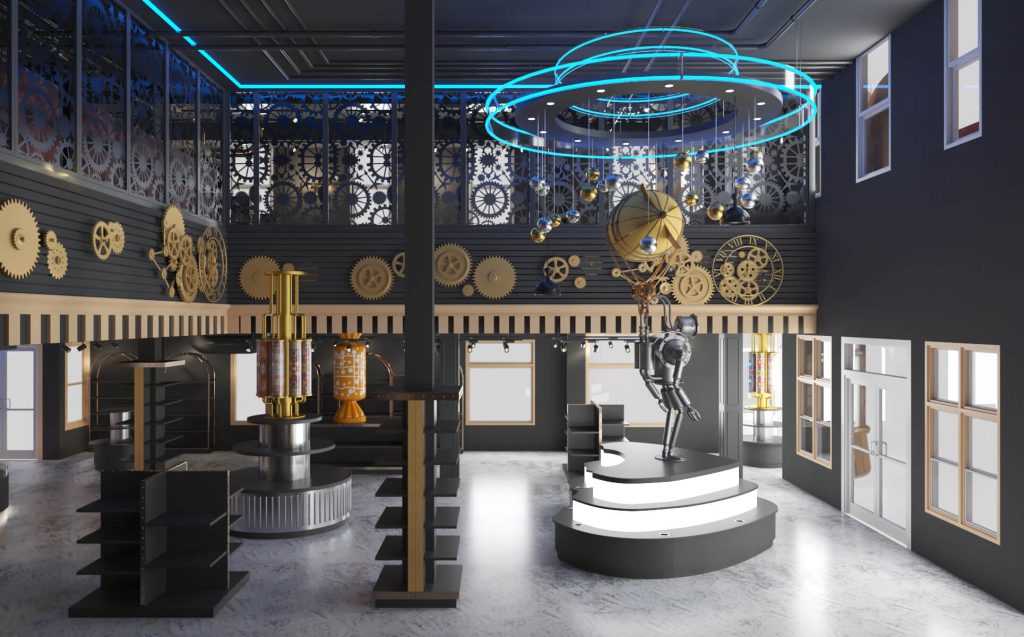
The industrial aesthetic celebrates a building’s inherent structure. Start by assessing the existing shell. Dark black walls provide immediate texture, telling a story of the city’s past. If your space lacks original brick, consider installing reclaimed brick veneers sourced from local demolitions. This authenticity matters and will be noticed by a discerning clientele. Complement this with an open ceiling plan. Revealing the building’s mechanical skeleton: ductwork, pipes, and original wood or steel joists. A matte black spray paint applied uniformly to these upper elements creates a clean. Cohesive look that recedes visually, making the space feel larger and less cluttered.
Flooring should continue this narrative of durability and history. Polished concrete is the premier choice for an industrial candy bar. It is incredibly hardy, easy to clean. And its slight sheen reflects light enhances the ambiance. For a touch of warmth and contrast, consider integrating wide-plank hardwood in specific areas. Such as the customer waiting zone. Lighting is the final critical layer in defining the raw canvas. Forego traditional decorative fixtures in favor of functional, architectural lighting. Heavy-duty pendant lights with metal shades, caged bulbs, and adjustable track lighting are ideal. Suspended over the main candy bar counter at a lower height to create a focal point and define the service area. While overall ambient light remains moody and atmospheric.
The Candy Bar Centerpiece
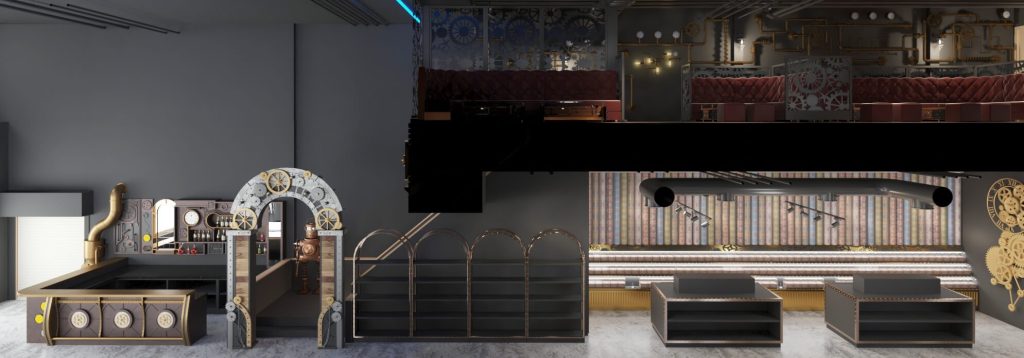
The heart of your operation and the literal interpretation theme is the candy bar. It must be robust, functional, and visually commanding design. Construct the main bar from solid, weighty materials. A thick, live-edge wood slab mounted on a base of repurposed industrial machinery or stacked brick. Creates a stunning focal point and merges organic warmth with mechanical coolness. Alternatively, a bar with distressed zinc or copper sheeting will develop a unique patina over time. Adding to the store’s character. The bar’s height is ergonomic for both staff and customers. Typically around 42 inches allow for easy viewing and conversation. The surface area behind the bar is expansive to accommodate scales, scooping bins, and packaging stations. All while maintaining a clean, uncluttered appearance for the customer.
Functionality behind the bar is paramount for operational efficiency. A deep, stainless-steel well inserts hold your bulk candy bins. It is food-safe, easy to sanitize. Professional look aligns perfectly with the industrial theme. Invest in high-quality, metal countertop scoopers and tongs. And ensure they are stored in a consistent, organized manner. The back bar is where you can create a dramatic wall of candy. Use clear, square or rectangular acrylic containers. This organized presentation contrasts beautifully with the raw surroundings and highlights the vibrant colors of the candy. Consider framing this display with reclaimed steel shelving or pipework to maintain the industrial feel. This setup serves as your primary inventory as a spectacular visual backdrop. Encourages customers to explore the entire selection.

Material and Texture Fusion
An expertly executed industrial candy store design avoids feeling cold or sterile by masterfully blending contrasting materials and textures. This is where the “sweetness” of your product can subtly influence the environment. While the foundational elements are hard and raw, the layered elements should introduce warmth and tactile appeal. Incorporate wood extensively, but ensure it has character. Seek out reclaimed timber from old Detroit factories or barns for shelving, accent walls, or custom-built display tables. The wood’s grain, knots, and weathered history will add immense warmth and a sense of place. For seating, use sturdy bar stools with cast iron bases and worn leather or thick canvas upholstery. These materials are durable enough for high traffic but comfortable enough to encourage patrons to stay awhile.
The fusion continues in your display fixtures. Source or fabricate custom units from welded steel, iron pipe, and wire mesh. These open-grid systems allow for clear sightlines and contribute to the overall aesthetic. When displaying packaged goods or smaller jarred candies, these industrial fixtures prevent the space from feeling cluttered. The final layer of texture comes from strategic accents. A large, vintage-style mirror with a dark, pitted frame can be placed behind the bar to amplify light and make the space feel larger. Small touches, like vintage factory cart wheels repurposed as base tables, or old industrial gauges mounted on the wall. Act as authentic decorative artifacts. The hard industrial elements provide the structure and authenticity. While the warm, organic materials and curated vintage pieces make the environment inviting and comfortable. Ensuring customers feel welcomed by the juxtaposition rather than intimidated by it.
Detroit-Themed Narrative Elements
To truly embed your store within the fabric of the city, your decor must tell a Detroit story. This goes beyond a simple color scheme and requires a thoughtful, respectful integration of local culture. Begin with artwork. Commission a local Detroit artist to create a large-scale mural on one prominent wall. The subject could be an abstract interpretation of the city’s skyline, a celebration of its musical legacy (from Motown to Techno), or a graphic depiction of classic American candy with an automotive twist. This not only results in a unique, powerful centerpiece but also builds community goodwill. Your lighting fixtures can also nod to local history; consider custom pendants made from repurposed automotive parts, a subtle homage to the city’s manufacturing soul.View display shelving options
Further the narrative with curated displays of local memorabilia. Frame vintage photographs of Detroit’s bustling downtown from the 1940s or 50s, or showcase historical artifacts from the city’s industrial past. A restored, enameled street sign from a nearby historic neighborhood can serve as a powerful landmark. Even your menu and branding can participate in this storytelling. Name certain candy mixes or signature creations after Detroit icons, landmarks, or neighborhoods—like the “Motor City Mix” or “Corktown Crunch”—and provide a small, well-designed placard explaining the reference. This educates visitors and fosters a sense of local pride among residents. It demonstrates that your business is not just located in Detroit, but is a part of it. This authentic connection transforms your store from a generic retailer into a community landmark, giving people a reason beyond candy to walk through your doors and become repeat customers.

Optimizing the Customer Journey
A beautiful space is only successful if it functions flawlessly for the customer. The layout and flow of your industrial candy bar are critical to its commercial success and the overall experience. The entrance is welcoming and immediately communicate the theme. A reclaimed steel door with large, factory-style windows gives a hint of the interior. Once inside, the candy bar has the clear focal point, visible immediately. Create a clear path to the bar, but design the space to encourage exploration. Use the open area in front of the bar as a “holding zone” where customers can wait comfortably. With a small seating cluster or a display of unique, packaged gift items. This prevents congestion at the point of sale and allows patrons to absorb the ambiance.
The service area at the candy bar itself must be designed for efficiency and education. The process of scooping, weighing, and bagging bulk candy is a performance. Ensure staff have ample room to work and that all tools are within easy reach. Use classic, industrial-style analog scales with visible dials. The theatricality of weighing candy on a beautiful, functional scale adds to the vintage charm. Finally, do not neglect the checkout experience. The transaction point integrates seamlessly into the bar, perhaps at one end. The terminal should be discreet. A simple, iPad-based POS system with a minimalist stand is often the best solution. The entire journey, from entry to exit, should feel intuitive, engaging, and reflective of the careful thought put into the entire operation. Leaving the customer with a lasting impression of quality and authenticity.