Discover the Most Profitable Retail Business in Malls
In the competitive retail industry, shopping malls remain a busy center of activity, attracting consumers with a wide variety of shopping options. If you are a novice looking to start a business or a seasoned business owner looking to expand, it is crucial to understand which retail businesses can bring you wealth. When considering a retail business within a shopping mall, several factors affect profitability: location, product offerings, consumer demand, and operational efficiency. As long as you address the issues involved in these factors, I believe your business will grow and prosper.
Since shopping malls provide a unique combination of foot traffic and consumer exposure, determining which business to start is not easy for every entrepreneur. We will analyze what factors will affect profitability and provide insights on shopping mall retail business strategies to maximize profits. I hope this article, if you continue reading, will bring you great inspiration and help.
The location for the retail mall business
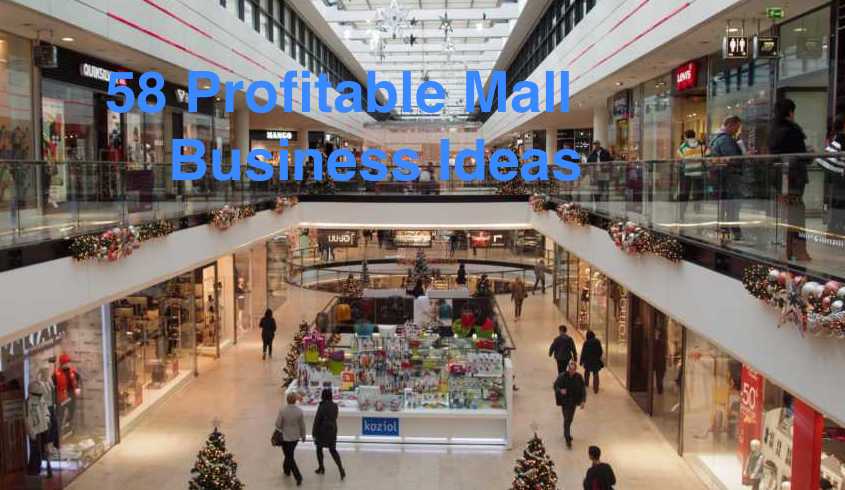
First, the location within a mall is the primary factor in success. Some high-traffic areas, such as near the entrance, food courts, or popular anchor stores, are prime locations that naturally attract more customers. Although these locations are usually more expensive, they can significantly increase the store’s visibility and sales potential. Successful mall businesses often take advantage of this and secure prime locations that match their target demographic. These locations are often preferred by malls to be rented to strong brands. If the things sold in these places are not attractive enough to customers, the overall profit of the mall will also decrease.
Choose hot products that cater to the trend
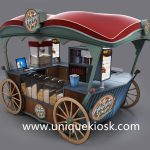
Another key factor determining the profitability of mall retail businesses is product supply. Businesses that capitalize on consumer trends and offer unique, high-demand products perform better. Products and services attractive enough to catch the eye, such as kiosks offering personalized products or experiences, usually attract more attention and sales. Jewelry kiosks, tech product booths, and custom clothing stalls are typical examples of mall retail enterprises that thrive by offering products consumers are eager to buy.

Clear understanding of consumer demand
In addition, it is essential to understand the needs of consumers. A truly profitable mall retail business not only meets customer needs, but also predicts customer needs. This includes conducting market research to determine popular products and consumer preferences. The ability we need to master is to be able to quickly adapt to changing trends and provide solutions in a timely manner. Products suitable for different consumer groups and age groups, product attributes and price positioning are all issues we need to think about.
High quality operational efficiency
When considering profitability, operational efficiency and quality cannot be ignored. Streamlined operations can minimize waste and maximize productivity, which is a great help to the profitability of the enterprise. This includes efficient inventory management, excellent customer service and effective marketing strategies. For example, mall kiosks benefit from low management costs and flexible product supply, which can increase profit margins if managed properly. This requires entrepreneurs to manage employees well, and they can hold work summary meetings, training courses, etc. regularly to improve service quality.
Physical sales with online platforms perfect match
In addition to these factors, the integration of physical sales with online platforms is becoming increasingly important. Many successful shopping mall businesses use e-commerce to supplement their physical storefronts, providing customers with a seamless shopping experience that combines the convenience of online shopping with the tactile experience of in-store browsing. This hybrid model not only increases sales opportunities, but also improves customer engagement and loyalty. So in addition to offline sales channels, it is also necessary to establish a brand online purchase platform.
Profitable Retail Business Models
Based on these factors, we offer some profitable retail business models for reference in a mall environment:
1. Fashion and clothing stores
Fashion remains one of the strongest sectors in mall retail. Clothing stores, from fast fashion to luxury brands, have been attracting a lot of customer traffic. The fashion industry benefits from frequent inventory turnover and the ability to capitalize on trends. Stores that combine price, style and quality tend to perform exceptionally well.
Fast fashion: Brands such as Zara and H&M have revolutionized the fashion industry with their fast production cycles, providing fashionable clothing at affordable prices. Their ability to quickly adapt to fashion trends makes them a must-have in malls.
Specialty boutiques: Specialty consumer groups, such as eco-friendly fashion or plus-size clothing, cater to specific customers and can cultivate a loyal customer base.
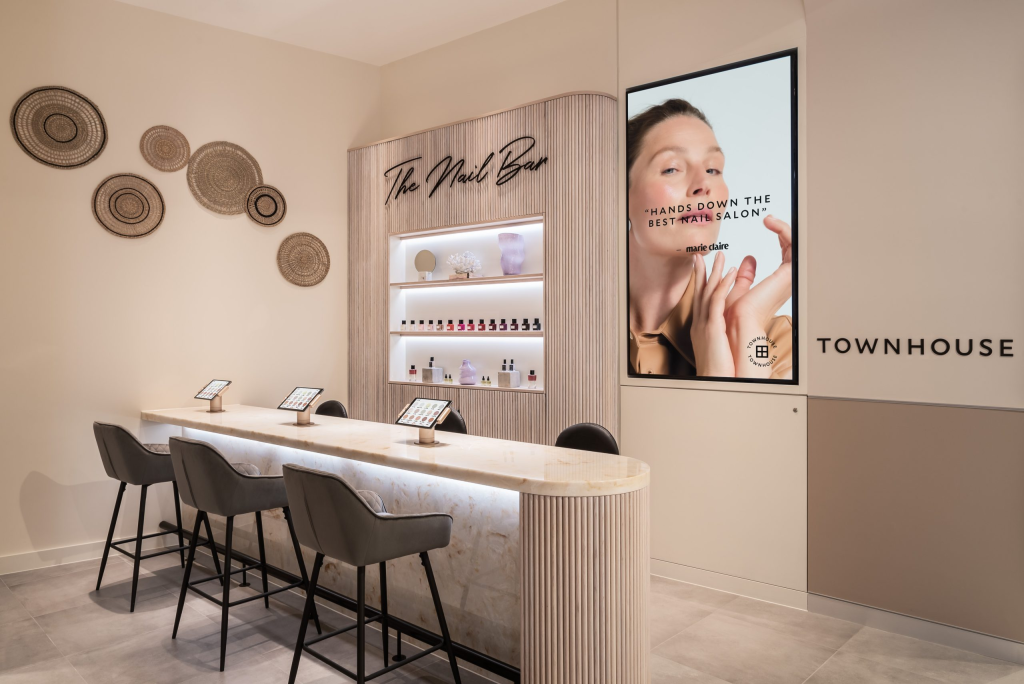
2. Health and Beauty Retail
The health and beauty industry has seen tremendous growth due to the global focus on health and self-care. Stores offering cosmetics, skin care, and health products have flourished in malls.
Cosmetics and Fragrances: Brands such as Sephora and Ulta attract consumers with their extensive product lines and interactive shopping experiences, including in-store makeovers and product testing.
Health and Wellness: Retailers offering organic and natural products attract health-conscious consumers. The industry includes everything from nutritional supplements to eco-friendly personal care items.

3. Technology and Electronics Stores
In an age dominated by technology, electronics stores continue to attract consumers seeking the latest electronics and innovative products. These stores often feature interactive displays and knowledgeable staff to enhance the shopping experience.
Consumer Electronics: Brands such as Apple and Huawei offer a wide range of products from smartphones to home appliances, attracting both technology enthusiasts and everyday consumers.
Games and Entertainment: With the growing popularity of video games and virtual reality, specialized game stores are becoming more and more profitable. For example, VR, arcades, etc.
4. Food & Beverage Outlets
Food & Beverage Outlets are an integral part of the mall experience, providing a place for consumers to relax and recharge. These businesses benefit from high customer traffic and the ability to provide a unique dining experience.
These can include a variety of staples, drinks, specialty foods from other locations, and more.
In summary, the most profitable retail businesses are those that adapt to changing consumer demands, leverage technology, and position themselves strategically in the market. Whether through mall retail operations, innovative kiosk models, or comprehensive e-commerce strategies, retailers that focus on providing customers with exceptional value and experience are poised for success. By understanding these key elements and implementing them effectively, aspiring entrepreneurs and experienced business owners alike can unlock significant profit potential in the evolving retail landscape.