Advantages/Disadvantages between Veneer and Solid Wood
In the process of decoration material selection, veneer panels and solid wood panels are two commonly mentioned materials. They each have unique characteristics and play important roles in different decoration scenarios. Understanding the differences and advantages/disadvantages between them is crucial for decorators to make appropriate choices.
Differences in Raw Materials
Solid wood panels are made from complete wood, such as common oak, pine, walnut, etc. After being harvested from the forest, these woods are simply processed, retaining the original natural texture and structure of the wood, and having a high natural texture.
Veneer panels, on the other hand, use artificial boards as the base material. Such as plywood, particleboard, fiberboard, etc., and then a thin layer of natural wood veneer or artificial decorative paper is pasted on their surface. Natural wood veneers are usually cut from high-quality wood through precise slicing processes. With a thickness generally between 0.2 – 0.8 mm. Artificial decorative papers simulate various wood textures or other decorative patterns through printing technology.
Appearance Performance
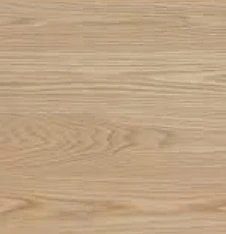
Solid wood panels have a natural beauty. The texture and color of each panel are unique, with natural growth marks and texture changes, which is their charm. Especially for solid wood panels made of precious wood. Such as mahogany and ebony, their textures and colors are even more elegant and noble.
The appearance of veneer panels can be designed diversely according to needs. If it is a veneer panel with a natural wood veneer, although it also has a certain natural texture, due to the thinness of the veneer. The three-dimensional sense and authenticity of its texture are slightly inferior to those of solid wood panels. Veneer panels with artificial decorative papers can print various realistic or unique patterns. Such as imitation marble patterns and imitation leather patterns, which can meet the decoration needs of different styles. However, there is still a difference in texture compared with the natural texture of solid wood panels.
Performance Characteristics
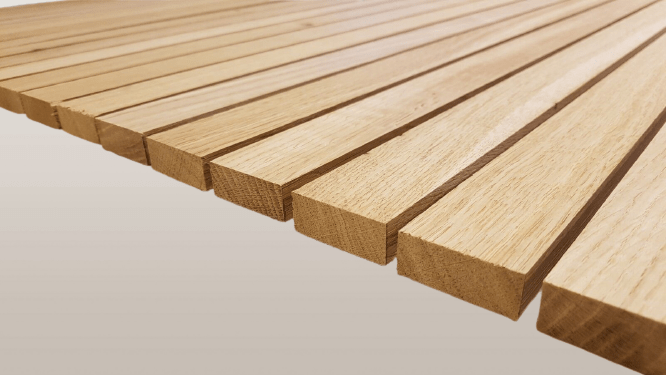
In terms of physical properties, solid wood panels have good strength and stability. Especially for solid wood panels made of hardwoods, such as oak solid wood panels. Are highly wear-resistant and can withstand relatively large pressure. At the same time, solid wood panels also have excellent sound insulation and heat insulation performance. Which can provide a comfortable acoustic and thermal environment for the living environment.
However, solid wood panels also have some disadvantages. For example, they are easily affected by environmental humidity and temperature and are prone to problems such as deformation and cracking. Especially in humid southern regions or dry northern regions. If not properly maintained, these problems are likely to occur.
Since veneer panels use artificial boards as the base material, their physical properties depend to a large extent on the characteristics of the base material. Generally speaking, veneer panels with a plywood base material have good flexibility and impact resistance. Veneer panels with a particleboard base material perform well in flatness and nail-holding power. Veneer panels with a fiberboard base material have a smooth surface and are easy to process.
The advantages of veneer panels are that they are not easy to deform and have good dimensional stability. Because artificial boards have been specially treated, they have a strong adaptability to the environment. Moreover, the surface of veneer panels has been treated and has certain wear resistance, scratch resistance, and corrosion – resistance. However, the strength of veneer panels may be slightly lower than that of solid wood panels. Especially when subjected to large external forces, they are prone to damage.
Comparison of Environmental Protection Performance
The environmental protection of solid wood panels mainly depends on the wood itself. Since it is natural wood and does not add too many chemical substances, as long as glues or coatings containing harmful substances. Such as formaldehyde are not used in the processing process, it can be considered an environmentally friendly material. It does not release harmful gases during use and has little impact on indoor air quality. Providing a healthy living environment for residents.
The environmental protection of veneer panels is related to both the base material and the veneer material. Its base materials, such as plywood, particleboard, and fiberboard, require the use of a large amount of adhesives during the production process. These adhesives may contain volatile organic compounds (VOCs) such as formaldehyde. If inferior adhesives are used, the veneer panels will continuously release formaldehyde during use, polluting the indoor environment.
However, with the development of technology, there are now many veneer panels produced using environmentally friendly adhesives. And their formaldehyde release can meet national standards or even be lower. In addition, if the veneer material on the surface of the veneer panel is a natural wood veneer, it is relatively environmentally friendly. If it is artificial decorative paper, some chemical substances may also be used in the printing and processing process, but as long as it meets relevant environmental protection standards, it will not cause too much harm to human health. Overall, the environmental protection of veneer panels varies, and careful screening is required.

Price Comparison
Solid wood panels usually have a relatively high price because their raw materials are natural wood and the production process is relatively simple. The main cost lies in the procurement and basic processing of the wood, especially for solid wood panels made of rare woods, the price is even more expensive. For example, the price of one cubic meter of oak solid wood panels may range from several thousand yuan to tens of thousands of yuan.
The price of veneer panels varies depending on the base material and the veneer material. Generally speaking, veneer panels with a common plywood base material and pasted with ordinary decorative paper are relatively affordable. And the price per square meter may range from several tens of yuan to more than one hundred yuan; while veneer panels with a high-quality fiberboard base material and pasted with natural wood veneers are relatively more expensive. But overall, they are still lower in price than solid wood panels of the same material.
Processing Difficulty
The processing of solid wood panels is relatively difficult. Because of their hard texture, professional tools and equipment are required in the processing processes such as cutting, drilling, and carving. And the technical requirements for processing personnel are relatively high. If the processing is improper, it is easy to cause waste and damage to the wood.
The processing of veneer panels is relatively easy. Since their base materials are mostly artificial boards and the texture is relatively uniform, problems such as cracking and deformation are not likely to occur during the processing process. Moreover, the surface of the veneer panels has been treated, and no complex surface processing is required, which greatly shortens the processing time and cost.
In conclusion, veneer panels and solid wood panels each have their advantages and disadvantages. Solid wood panels, with their natural texture and good physical properties, are suitable for decoration projects that pursue high-quality and natural styles, such as the interior decoration of high-end villas and the production of solid wood furniture, but attention needs to be paid to maintenance. Veneer panels, with their diverse appearances, stable performance, and relatively affordable prices, are more suitable for large-scale decoration projects, such as the decoration of commercial spaces and the whole-house customization of ordinary families. In actual decoration choices, appropriate decisions should be made based on one’s own budget, decoration style, and usage needs after comprehensive consideration.