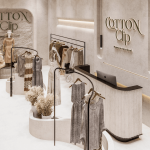
6 Display Styles for Perfume Store
The perfume store’s design sets the tone, builds brand identity, and guides the customer journey. Moving beyond simple shelving to a strategic display approach can dramatically increase dwell time. An effective display hold products, evokes an emotion, and creates a memorable sensory experience. Display styles cater to different brand philosophies and customer engagement strategies.
1. The Minimalist Showcase
The minimalist showcase is a design philosophy centered on the principle of “less is more.” This style uses clean lines, neutral color palettes (think whites, grays, and beiges). And abundant negative space to create an atmosphere of sophistication and clarity. The core intention allow each fragrance to appreciate as a singular object of desire. Reducing distractions approach positions your perfumes as high-art pieces. Appealing to a discerning clientele that values purity, quality, and modern elegance.
The primary strength of this style is its ability to focus customer attention with laser precision. When a single bottle on a stark, well-lit pedestal, it becomes the undeniable hero. This is particularly effective for launching signature scents or highlighting a brand’s flagship product. The uncluttered environment reduces cognitive overload for the shopper. Making the selection process feel more deliberate and less overwhelming.
Implementing a minimalist display requires meticulous execution. The simplicity of the design means every element must be flawless. Invest in high-quality materials like polished marble, bleached wood, or matte metal for your fixtures. Spotlights or LED strips draw the eye directly to the bottles. Introduce warmth through tactile elements, such as a textured wall or a single piece of abstract art. Ensure the space feels inviting rather than austere.

2. Thematic Brand Storytelling
Thematic brand storytelling transforms your store from a retail space into an immersive narrative journey. This style goes beyond displaying a product. It builds a multi-sensory world around a brand’s heritage, inspiration, or olfactory family. A fragrance line displays with raw wood, dried flowers, and soft, pastoral lighting. A brand with an avant-garde, urban ethos could use industrial materials, concrete, and dynamic digital screens. Create a cohesive and emotionally resonant experience and connects the customer to the perfume’s soul before they even smell it.
This approach is incredibly powerful for building deep brand loyalty and justifying premium pricing. It creates memorable, “Instagrammable” moments encourage organic social media promotion. This method is highly effective for boutique brands or flagship stores where the focus is on a single, strong brand identity. View perfume kiosk option
To execute this successfully, every detail must serve the narrative. Start by defining your core story. Is it about romance, adventure, craftsmanship, or rebellion? Then, curate your materials, colors, textures, and even music to reflect the theme. For a “by the sea” theme, use palettes of blue and sand, incorporate pebbles and glass.
3. Interactive Scent Stations
Interactive scent stations are a modern solution to the fundamental challenge of perfume retail. Customers to safely and hygienically sample multiple fragrances. These stations might feature branded scent strips, non-aerosol dispensers, or even digital touchscreens. Provide information about the fragrance notes as the customer samples. The design with integrated trash receptacles for used strips and clean, accessible surfaces encourage exploration.
The business case directly increases engagement and conversion. By making the sampling process intuitive and enjoyable, you empower customers to take control of their journey. This leads to a more confident purchasing decision and reduces the anxiety of interacting with a sales associate for initial discovery. Furthermore, these stations is to gently guide the customer through a brand’s portfolio. Perhaps from lighter citrus scents to deeper orientals. Creating a logical and educational sampling progression increases the average transaction value.
When designing an interactive station, prioritize cleanliness, intuitive flow, and durability. Use materials that are easy to wipe down. Such as acrylic, lacquered wood, or stainless steel. Ensure there is ample space between stations to prevent crowding. Lighting is crucial here as well. Each station should be well-lit so customers can easily read packaging and notes.

4. Library & Archive Style
The library or archive style appeals to the connoisseur. Presenting your fragrance collection as a curated repository of knowledge and olfactive art. This approach utilizes structured, symmetrical shelving. Often in dark, rich woods or metal, reminiscent of a traditional apothecary or a private collector’s library. Bottles are arranged not by brand, but by olfactory families or scent notes. So customers explore and compare based on their personal preferences. It positions your store as an authority and a destination for genuine fragrance education.
This style effectively demystifies the perfume selection process. Organizing scents into intuitive categories, you empower customers to navigate a potentially overwhelming assortment with confidence. It invites them to “read” the shelves, discovering new houses and scents they might have overlooked in a standard brand-centric display. For the serious fragrance enthusiast, this is a powerful draw. As it shows a deep level of category expertise and passion from the retailer.
To implement this style successfully, focus on clarity and accessibility. Use elegant, legible signage to label each section or family. Incorporate small description cards that explain the characteristics of each olfactory group. Complement the shelving with reading nooks. Magnifying glasses for examining labels, and perhaps digital tablets with a database of fragrance notes and histories. The atmosphere is quiet, respectful, and slightly reverent.
5. Dramatic Focal Points
The dramatic focal point strategy uses bold, architectural elements to create a “wow” moment. Defines the entire store’s ambiance. This involves dedicating significant space and design resources to a single, breathtaking display feature. Imagine a monumental, backlit wall of fragrance bottles, a sprawling. Sculptural installation suspended from the ceiling, or a central “island” fixture made of a striking material like petrified wood or polished brass. This centerpiece is designed to capture attention immediately upon entry. Creating a strong visual identity and a lasting impression of luxury and innovation.
This approach serves multiple strategic purposes. Firstly, it acts as a powerful branding tool. Making your perfume store instantly recognizable and memorable. Secondly, it is to highlight a specific product collection, a hero brand, or a seasonal promotion, giving it unparalleled prominence. The visual impact often generates significant social media buzz. As customers are compelled to photograph and share the stunning feature. Ideal for stores in high-traffic locations or those looking to position themselves as a leader in design and contemporary luxury retail.
Creating a successful focal point requires a balance between audacity and cohesion. Its materials, colors, or shapes should echo elsewhere in the space on a smaller scale. Lighting is the most critical element. Use it to create drama, shadow, and highlight the textures of your centerpiece. Ensure the focal point impede the practical flow of traffic. The surrounding areas allows the central element to truly shine, creating a clear visual hierarchy.

6. Sensory Journey Zones
Sensory journey zones represent the pinnacle of experiential retail, organizing the store layout to guide customers through a curated sequence of olfactory and atmospheric experiences. Businessmen can divide space into distinct zones, each dedicated to a specific mood, scent profile, or environment. A “Fresh & Airy” zone might feature open spaces, light colors, and scents with aquatic or citrus notes. While a “Warm & Spicy” zone could have darker lighting, plush seating, and rich, amber-based fragrances. This method choreographs the customer’s path, making their visit a dynamic exploration.
The design is profound ability to connect fragrance to emotion and context. It answers the customer’s unspoken question: “Where and when would I wear this?” Placing them in an environment that evokes a certain feeling, you help them imagine the scent as part of their lifestyle. This contextualization moves the decision beyond simple scent preference to emotional desire and practical application. It dramatically increases dwell time and encourages customers to experience a wider range of your portfolion.
Executing a sensory journey requires meticulous zoning and atmospheric control. Use architectural elements like half-walls, changes in flooring, or ceiling treatments to subtly demarcate each zone. Employ lighting, sound, and even temperature control to reinforce the theme of each area. Cooler light and sounds of rain for a fresh zone, warmer light and subtle jazz for an intimate, oriental zone. The transitions between zones should feel intentional. This is a complex and investment-heavy approach. It creates an unforgettable brand experience that fosters immense customer loyalty and word-of-mouth promotion.