5 Ways to Decorate Cell Phone Store in the UK
The UK mobile phone market is one of the most competitive in the world. With consumers able to choose from a vast array of network providers, manufacturers, and high-street or online retailers. The physical store must offer an experience cannot be replicated by a website. The decor, layout, and ambiance of your store are no longer afterthoughts; they are fundamental components of your business strategy. Effective store design directly influences brand perception, dwell time, customer engagement, and ultimately, sales conversion. It’s about creating a space that is a point of transaction. A destination educates, inspires, and connects with the community. We will move beyond basic aesthetics to explore how intentional design creates a tangible competitive advantage in a crowded marketplace.
Embrace Minimalist Branded Environments
In an industry saturated with visual noise and technical specifications. A minimalist and thoughtfully branded environment offers a welcome respite for customers. This approach is not about being sparse or cold; it is about intentional clarity. It allows your products to the undisputes heroes of the space. While ensuring your brand identity is communicated with sophistication and consistency. For a UK audience that values both heritage and modernity, this balance is key.
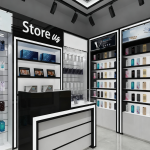
The core principle is to use a clean, uncluttered colour palette accented strategically with your brand’s colours. Often built around neutral tones like white, grey, or matte black. For instance, a store for a premium brand might use dark oak flooring, brushed metal fixtures, and stark white walls to create a gallery-like feel. Their signature brand colour could then be introduced not on large walls, but through smaller, high-impact elements: employee lanyards, the backing of display units, or illuminated signage. This controlled use of colour is far more powerful and premium than overwhelming the space.
This minimalist framework must be consistently applied across all customer touchpoints. From the window graphics and in-store posters to the digital screens and even the packaging, every visual element should adhere to a strict style guide. This consistency builds immense brand credibility and trust. A customer walking from a flagship store in London to a smaller concession in Manchester should experience the same core brand essence. It signals professionalism, attention to detail, and a clear understanding of your market position, assuring the customer they are in a reputable establishment. View cell phone store design
Implement Interactive Experience Zones
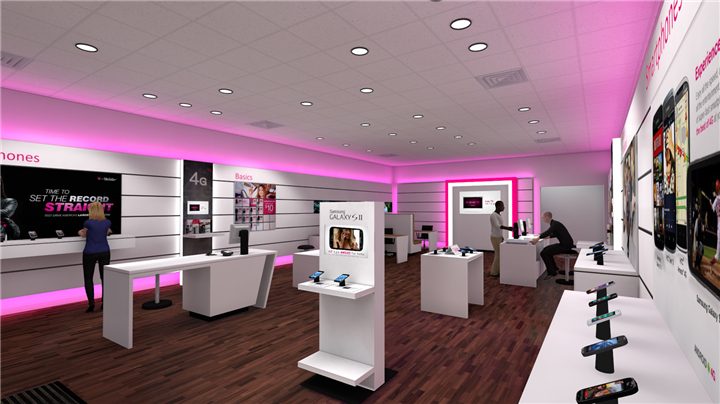
The days of phones locked away in clunky security cradles are over. Modern consumers, especially in tech-savvy markets like the UK, expect to touch, feel, and truly experience a device before committing to a purchase. Interactive experience zones are not a luxury; they are a fundamental expectation. These zones transform your store from a showroom into a hands-on lab, dramatically increasing engagement and dwell time. Check cell phone repair kiosk option
Designate specific areas for different experiences. Create a “Camera Studio” with themed backdrops (e.g., a London skyline or a plain colour wash wall) and props, allowing customers to test camera capabilities in real-time. Establish a “Gaming Hub” with premium headphones, controllers, and seating to showcase device performance and graphics. For the productivity-focused user, set up a “Workstation” where a phone can be connected to a monitor, keyboard, and mouse to demonstrate desktop functionality. These zones tell a story about what the product can do, not just what it is.
Crucially, these areas must be designed for comfort and immersion. Provide seating, ensure devices are fully charged and connected to high-speed Wi-Fi, and have knowledgeable staff on hand to guide the experience without being intrusive. The goal is to let the customer explore at their own pace, creating a personal connection with the device. This tactile interaction is the most powerful sales tool available, as it moves the conversation from abstract features to tangible benefits and emotional appeal, directly addressing the consumer’s need to “try before they buy.”

Integrate Local Cultural Elements
While global brand consistency is vital, a one-size-fits-all approach can feel impersonal. The UK is a nation of distinct regions, each with its own strong cultural identity, from the vibrant streets of Shoreditch to the historic elegance of Edinburgh. Smart retailers can forge a deeper connection with their community by thoughtfully integrating local cultural elements into their store’s design, showing that they are not just a global chain, but a invested local player.
This integration must be subtle and authentic. It could involve partnering with local artists to create unique wall art or installations that reflect the city’s character. For a store in Manchester, famous for its music scene, this might mean a feature wall celebrating its musical heritage. A store in Cardiff could incorporate Welsh language and motifs in its decorative signage. Sourcing furniture from local craftsmen or using materials from the region (e.g., Welsh slate or Scottish tweed as textural elements) adds a layer of authenticity that resonates deeply.
This strategy demonstrates a brand’s commitment to the community it serves, moving beyond mere commerce to become a part of the local cultural fabric. It creates a “talkability” factor, making the store a point of interest in itself. Customers are more likely to develop loyalty to a store that reflects and celebrates their local identity. It shows that you see them as individuals, not just sales targets, building a strong foundation of local goodwill and differentiating your location from every other generic storefront on the high street.
Optimise Strategic Lighting Design
Lighting is one of the most powerful, yet frequently underestimated, tools in retail design. It goes far beyond basic illumination; it is used to guide customers, create mood, highlight products, and enhance the overall perception of quality. In a cell phone store, where products are sleek, glossy, and detailed, precision lighting is non-negotiable. A poorly lit store can make even the most advanced smartphone look cheap and uninviting. Get jewelry kiosk option
Adopt a layered lighting strategy. Start with ambient lighting to provide general, comfortable illumination for the entire space. Recessed ceiling spots or soft overhead fixtures. Next, and most critically, employ focused task lighting. Use adjustable track lights or pinpoint LEDs to dramatically highlight display products, making them sparkle and drawing the customer’s eye directly to them. This creates a “stage” for each device. Finally, incorporate accent lighting to add depth and warmth—this could be LED strips under shelving, backlit brand logos, or illuminated display cases for accessories.
The quality of light is as important as its placement. Aim for a colour temperature that is neutral to cool (around 4000K), as this mimics natural daylight and renders colours most accurately. Which is essential for evaluating screen quality and device colours. Avoid warm, yellow tones that distort appearance. Furthermore, ensure there is no glare on device screens, as this prevents customers from properly interacting with them. Intelligent, dynamic lighting can even be programmed to change throughout the day, keeping the environment fresh and engaging.

Leverage Digital Signage Dynamics
Static printed posters and fixed price tags are becoming relics of the past. In a store selling cutting-edge technology, the signage itself must be dynamic, adaptable, and informative. Digital signage—comprising video walls, interactive kiosks, and large-format displays—is the definitive solution. It provides unparalleled flexibility to manage messaging, promotions, and brand storytelling in real-time, directly from a central dashboard.
The applications are vast. Use large video walls at the rear of the store to run cinematic brand films. Capture attention from the street. Install smaller, interactive screens at product displays where customers can swipe through specifications view available colours, or even check real-time stock levels. This empowers customers who prefer a self-service approach while freeing staff to handle more complex queries. Digital menus can instantly update to promote a new limited-time offer, a shift in finance deals, or the launch of a highly anticipated device.
The key to effective digital signage is curated content, not just constant motion. Avoid visual chaos. Content should be high-resolution, on-brand, and have a clear purpose—whether to educate, inspire, or promote. The ability to instantly change your entire store’s messaging for a new campaign or seasonal event is a huge operational advantage. It ensures your store always feels current and relevant. Providing a dynamic and modern experience. Keeps customers engaged from the moment they walk in until the moment they leave.