5 Tips to Decorate Mini Pretzels Store in the USA
In the fiercely competitive landscape of American retail food service, a mini pretzel store is a destination. The aroma of freshly baked pretzels is your first and most powerful marketing tool. The visual and experiential environment transforms a one-time customer into a loyal advocate. Decorating your store communicates your brand’s quality, story, and values. It’s about creating a cohesive, immersive space where the decor works in concert with the product to tell a compelling story, justify your price point, and foster an emotional connection. Lingers long after the last crumb is gone.
Craft Your Brand Story
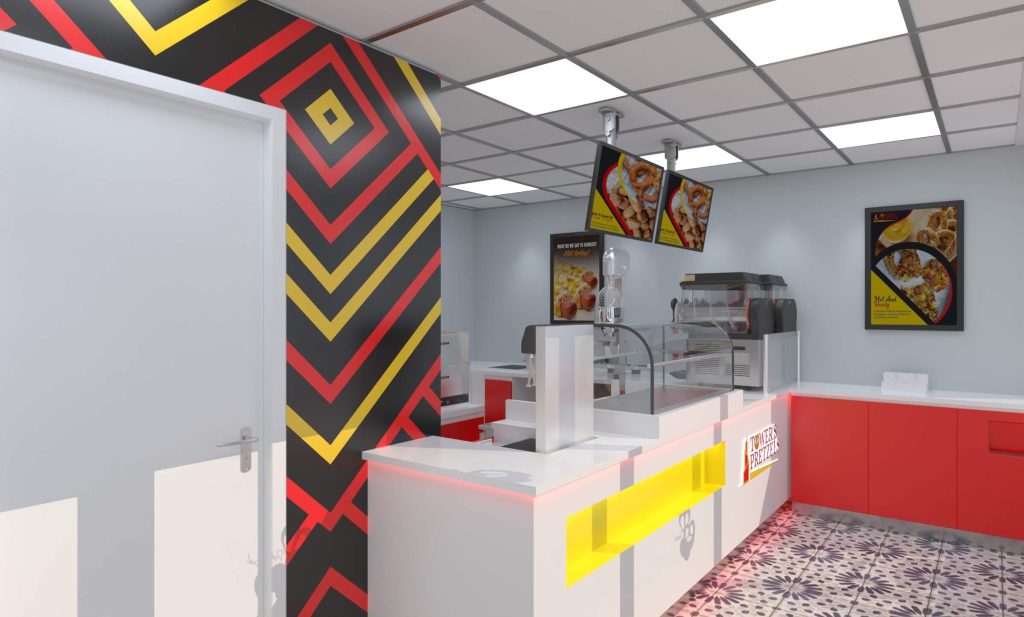
Before choosing a single paint color or install light fixture, the most crucial step is to define and internalize your brand story. This narrative is the foundation upon which to make every other design decision. Are you a purist, focusing on traditional, hand-rolled German-style brezels? Or are you a modern innovator, offering avant-garde flavors and bold, colorful dips? Your brand’s identity—its voice, mission, and target audience—must be crystal clear. This story will inform your color palette, materials, and overall ambiance. A store focusing on heritage and authenticity might lean towards warm, earthy tones, natural wood, and historical photography. Ensures your decor is a non-verbal communication of who you are. Building credibility and helping customers understand your unique place in the market at a glance.
Developing a detailed brand style guide is a professional practice. Specify your primary and secondary color schemes, approved fonts for signage and menus, logo usage, and the overall “mood” you wish to evoke. For instance, a color palette featuring deep browns, cream, and bronze suggests warmth and tradition. While a scheme of red, white, and stainless steel conveys speed and modernity. Creating a unified brand presence that customers learn to recognize and trust. It eliminates arbitrary decisions and ensures every touchpoint reinforces the same core message. View bar counter design
Maximize Visual Merchandising
In a mini pretzel store, your merchandise is both your food and the experience of its creation. Creating a dynamic, engaging visual flow guides the customer’s eye and stimulates their appetite. The centerpiece is always a visible, active prep and baking station. Let people see pretzels being hand-twisted, dipped in lye or baking soda bath, salted, and pulled golden-brown from a gleaming oven. This transparency builds trust, as customers can see the freshness and craftsmanship firsthand. It also fills the space with that irresistible aroma. Creating a multi-sensory pull that is impossible to ignore.
Beyond the live action, the display case itself requires meticulous design. Use tiered stands, rustic wooden boards, or modern slate slabs to create height and variation. Avoid simply lining pretzels up in rows; instead, group them by type or flavor. Keep the displays abundantly full—a sparse case suggests stagnation. Use small, elegant signage to clearly identify classic, sweet, and stuffed pretzels. For dipping sauces, consider clear, squeezable vessels or small ramekins arranged in a vibrant, color-blocked pattern. Install focused, warm LED spotlights directly above the display case to make the pretzels glisten. Emphasizing their texture and warmth, making them look good and irresistible.
The principles of visual merchandising extend to your point-of-sale (POS) area. Strategically place smaller, high-margin items like branded dips, gourmet salts, or bottled drinks within easy reach of the cash register. Use a well-designed menu board as a focal point, with clear hierarchy and legible typography. The best visual merchandising tells a story of quality, variety, and freshness. It orchestrates the customer’s journey from entrance to checkout. Ensuring they are consistently engaged and presented with compelling reasons to add just one more item to their order, thereby increasing the average transaction value.
Design Functional Layouts
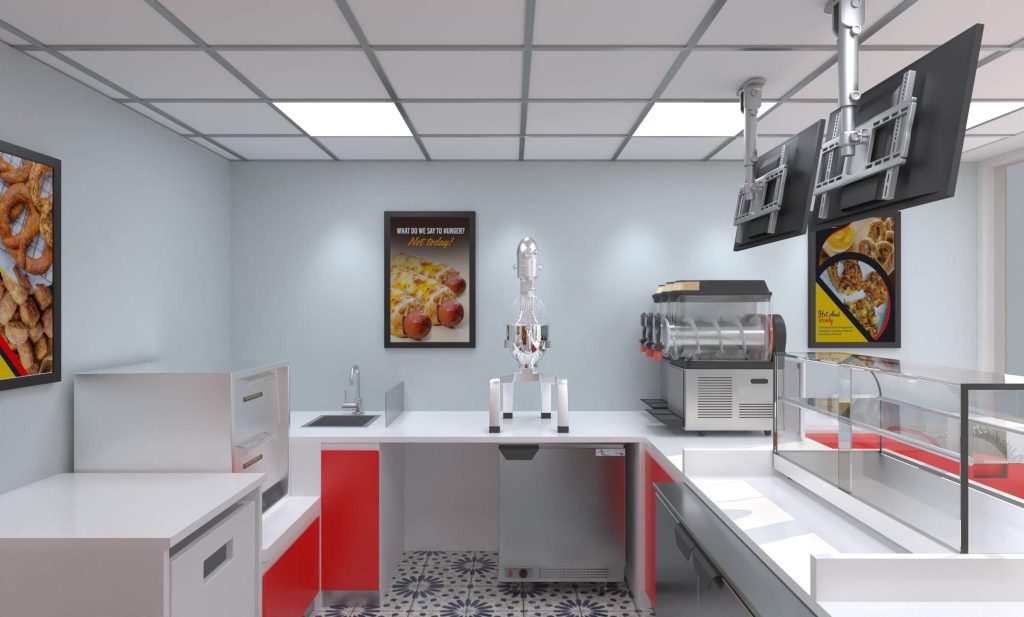
The flow of customer traffic is a direct determinant of operational efficiency and customer satisfaction. A poorly considered layout leads to bottlenecks, confusion. Frustrating experience can deter repeat business. Design an intuitive path mirrors the customer’s journey: entrance, menu viewing, ordering, queueing, order fulfillment, topping application, payment, and exit. The “Golden Rule” of quick-service layout is almost always a single-file queue leading to a centralized point of sale. This system is fair, easy to manage, and prevents the chaotic “scrum”.
Carefully analyze the “work triangle” for your staff—the path between the oven, the prep station, and the POS. These areas logically adjacent to minimize unnecessary movement, reduce service times, and prevent employee fatigue. The topping and condiment station is after the payment point. This strategic placement prevents congestion at the cash register and allows customers to customize their orders at their own pace without holding up the line. Ensure this area is generously proportioned, well-lit, and equipped with sneeze guards for hygiene. Organize toppings, dips, and napkins logically, with clear labels, to create a smooth and efficient self-service experience.
For stores with limited square footage, every inch counts. Utilize vertical space with floating shelves for retail items or decorative elements. Consider built-in banquette seating along walls with small, attached tables to free up floor space. The choice between fixed and flexible furniture (like stools and high-top tables) can also impact flow and capacity. The ultimate test of a successful layout is a stress-free rush period. When a line forms, it should move steadily, customers is able to see the menu and the enticing display case while they wait. And staff should be able to execute their tasks without cross-traffic or obstruction. A functional layout is an invisible engining powers a positive customer experience and a profitable operation. Retail store display shelving
Select Durable Materials
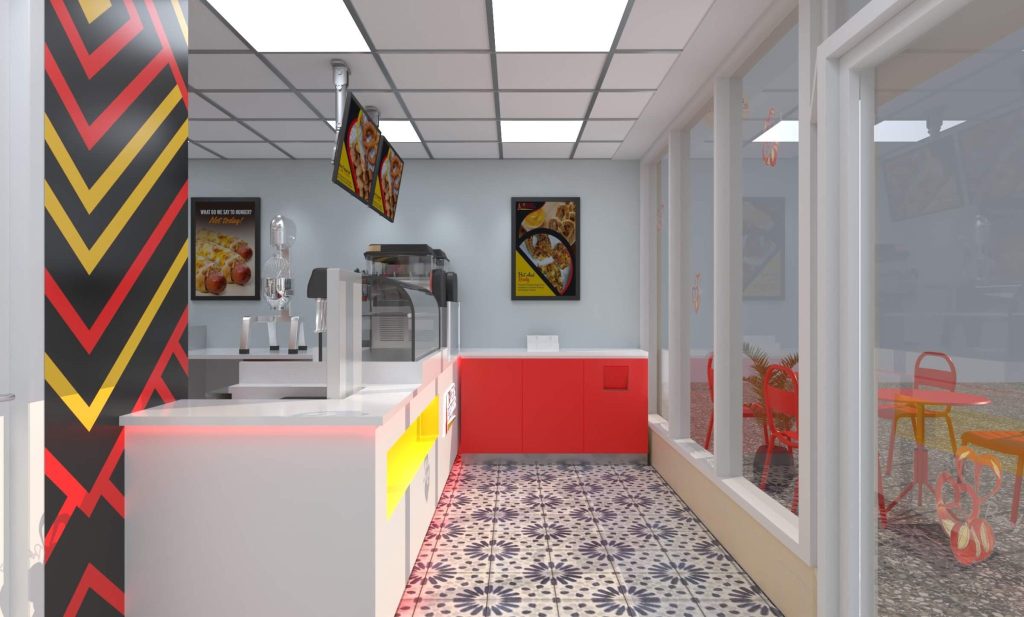
The selection of materials for surfaces, flooring, and furniture is where the aesthetic vision of your brand meets the harsh reality of a high-traffic food service environment. The choices made here must balance beauty with brute-force durability, ease of maintenance, and compliance with health codes. The primary considerations are moisture resistance, ease of cleaning, and resistance to scratches, stains, and impact. For flooring, porcelain tile with a textured, non-slip finish is an industry standard for a reason. It is extremely hard-wearing, water-resistant, and easy to mop.
For countertops, quartz is a superior choice over natural stone like granite or marble. Engineered quartz offers the same high-end appearance but is non-porous, making it highly resistant to staining and bacterial growth. It does not require sealing and can withstand daily exposure to food acids, oils, and cleaning chemicals. For a more rustic or industrial feel, sealed and polished concrete is another durable and on-trend option. When selecting seating and tables, commercial-grade is the key term. Furniture designed for residential use will quickly deteriorate. Look for solid wood with a durable commercial finish, powder-coated metal, or high-pressure laminate (HPL). These materials are designed to withstand constant use and cleaning without showing significant wear.
Investing in high-quality, durable materials is a long-term cost-saving strategy. While the initial outlay may be higher than for lower-grade alternatives, the lifecycle cost is significantly lower. You will avoid the frequent replacement costs, repair downtime, and the negative brand impression created by chipped, stained, or broken furnishings. A store that looks well-maintained and clean, even during peak hours, subconsciously communicates professionalism, attention to detail, and a commitment to quality and hygiene. This builds immense trust with the customer. Assuring the same care taken with the environment is applied to the food they are about to consume.
Integrate Local Character
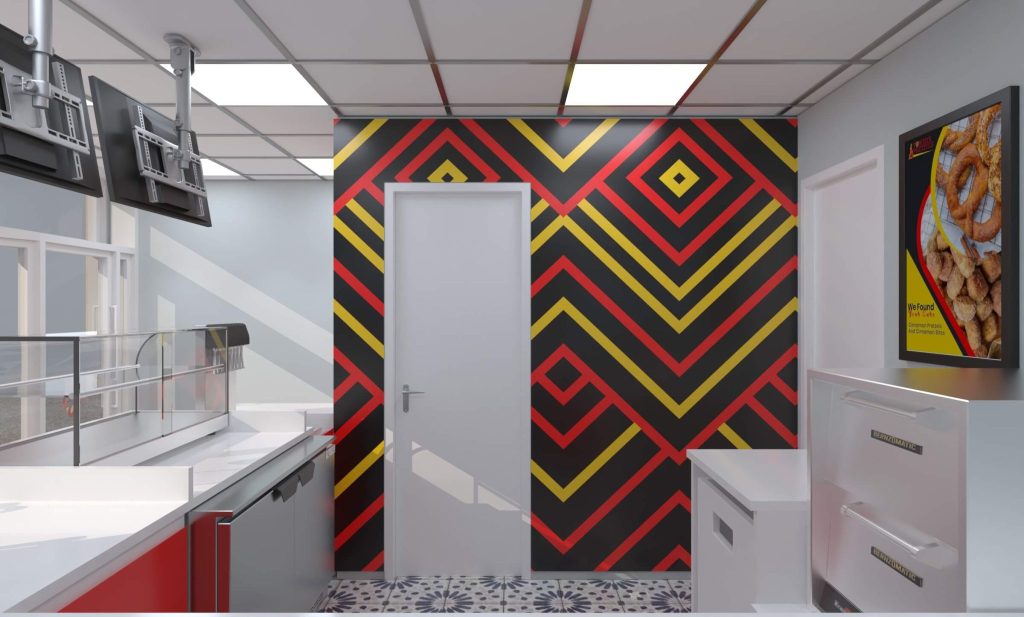
While a strong, consistent brand identity is paramount. Infusing your store’s decor with elements of local character can create a powerful sense of place and community connection that national chains often lack. This strategy transforms your store from a generic outlet into a beloved local landmark. The first step is research. Understand the history, industry, and cultural touchstones of your city or neighborhood. Is it a historic riverfront town, a bustling financial district, a college campus hub, or a center for the arts? These identities provide a rich source of inspiration. Subtly woven into your decor, making your brand feel authentic and rooted. View candy store design
The application of local character should be nuanced and sophisticated. For a store in a city with a rich musical heritage. For example, you could frame vintage concert posters from local venues or install a subtle soundscape featuring area artists. In a region known for its agriculture, you might incorporate architectural salvage from old barns or feature large-scale photography of local landscapes. For a more industrial area, materials like reclaimed brick. Exposed ductwork, and local metalwork can create a fitting and authentic aesthetic.
This localization strategy fosters immense customer loyalty. Residents feel a sense of pride and ownership when they see their community’s story reflected in a business they patronize. It provides a unique talking point. Enhances the memorability of your store, and generates positive local press and social media buzz. Furthermore, it demonstrates that you are a business that is actively of the community. This deep level of integration builds an emotional equity with your customer base that is far more resilient than mere convenience or price.