
Why Same Style Kiosk Has Big Price Difference: Material, Craft and Structure
As a customized commercial furniture factory with over 20 years of experience in kiosk production, we often receive inquiries from clients confused by a common phenomenon: two kiosks with almost identical appearance and style can have a price big difference. Many clients initially focus only on external design, mistakenly believing that “same style equals same quality” and thus questioning the huge price gap.
For customized mall kiosks (such as food kiosks and retail kiosks), “same style but different quality” is common. Some manufacturers cut corners on materials, simplify processes, and reduce structural strength to lower costs, offering extremely low prices. However, such kiosks often suffer from deformation, paint peeling, unstable structure, and short service life after use. Professional manufacturers, by contrast, adhere to high standards in material selection, craft processing, and structural design. Our kiosks are durable, safe, and reliable with lower long-term operating costs.
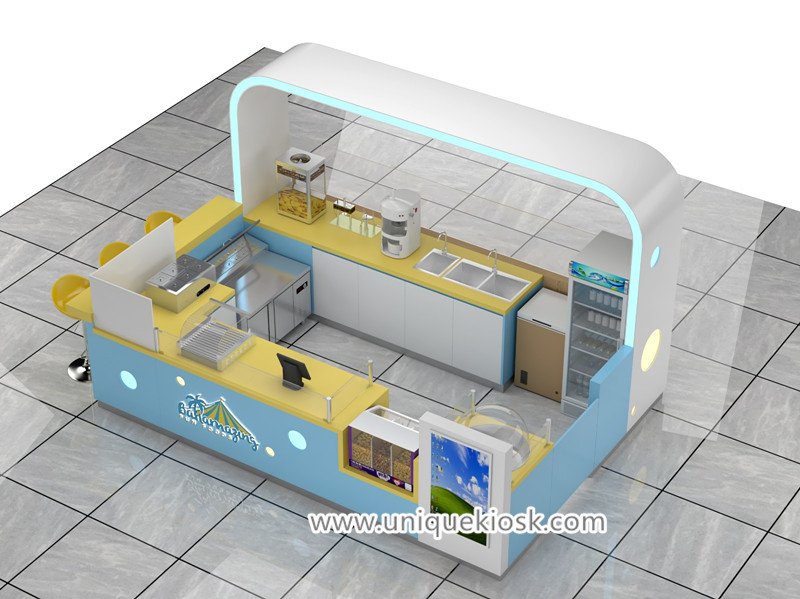
Material Selection
Material is the first link in kiosk production and the most direct factor affecting price. For the same-style kiosk, cost differences caused by material grades can reach 20% to 50%. As a customized commercial furniture factory focusing on mall kiosks, our products usually take MDF or plywood as the base material, with finishes including baking paint, stainless steel, veneer and laminate, plus decorative elements such as stainless steel skirting lines, light strips, customized logos and light boxes. Clients often overlook internal base materials, surface finishes and decorative details, leading to misunderstandings about price gaps.
1. Main Material
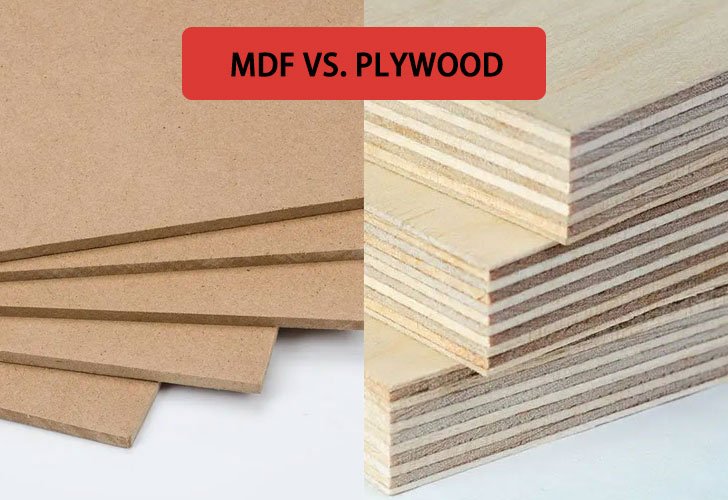
For the base material, we usually use MDF or plywood. Even with the same material name, the thickness and manufacturing process will differ. Other manufacturers using 15mm-thick MDF or plywood(using low-density MDF (density <0.6g/cm³) or shoddy plywood with uneven layers.), we use more than 18mm-thick high-quality MDF or plywood. High-quality and more thicker material has higher density, better moisture resistance and load-bearing capacity, not easy to deform, suitable for mall kiosks with long-term use. Plywood is used to reinforce baseboards and countertops, fully capable of withstanding frequent use of mall kiosks.
2. Surface Finish
Surface finish is the key to the appearance and texture of mall kiosks, directly impacting the kiosk’s grade and adaptability to mall environments. For our mall kiosks, the main surface finishes are baking paint, veneer and laminate, and different finishes lead to price differences for same-style kiosks.
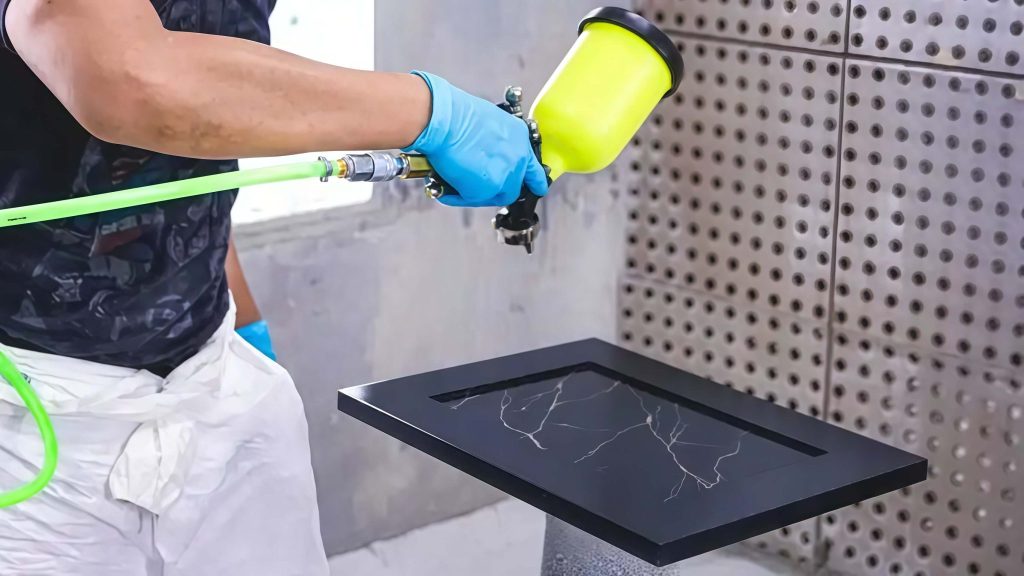
-Baking paint: Baking paint finish can be customized into various colors, matching the brand image of the mall and the kiosk. The baking paint process requires strict treatment of the base material (sanding, puttying, priming) and high-temperature curing. Our baking paint process requires at least 5 passes, three coats of primer and two coats of topcoat. After completion, the entire surface will have an effect close to piano paint/car paint.
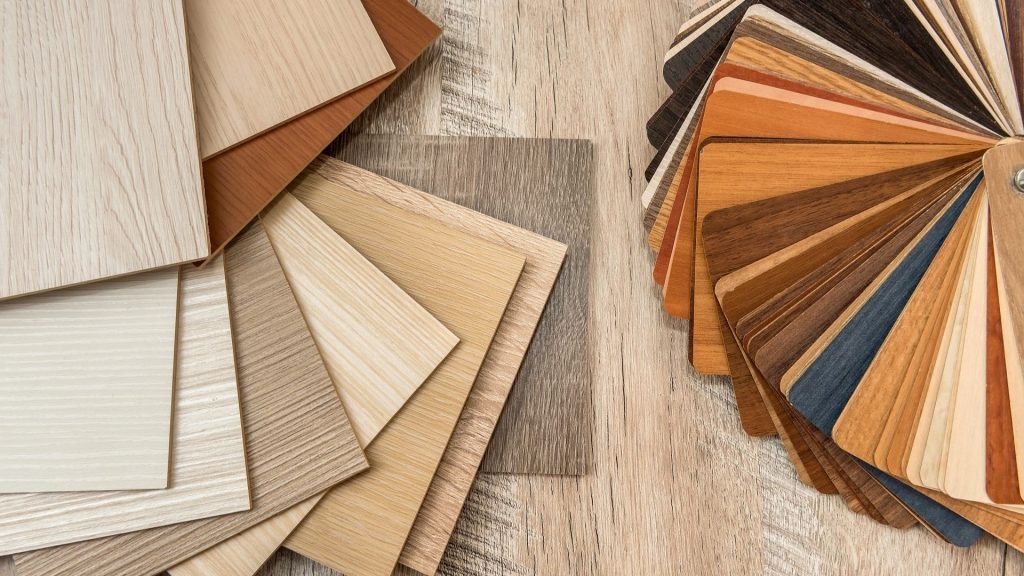
-Veneer and Laminate: Many factories on the market use melamine boards to imitate veneer and laminate processes. Melamine boards are made by directly pressing decorative paper onto the surface of the board using a machine. The edges are prone to chipping, glue marks are obvious, there is limited color, and adhesion to the base material is poor, making it prone to peeling after long-term use. We use laminate, which is natural wood veneer. We apply special glue to every corner of the substrate before applying the laminate. For veneer, it needs to be painted with protective paint after pasting. This difference in process for the same material can cause price variations.
Manufacturing Craft
Low-cost manufacturers use manual cutting and bending for MDF/plywood base materials, with low precision, uneven edges, and inconsistent angles, leading to assembly difficulties, uneven gaps between panels, and frame deformation. Professional manufacturers use CNC cutting and bending machines, ensuring precision within ±0.5mm (cutting) and ±1° (bending), with smooth surfaces. Deburring and polishing are added for MDF/plywood base materials to avoid scratches during finish application and improve the overall aesthetics of the mall kiosk.
Functional Design
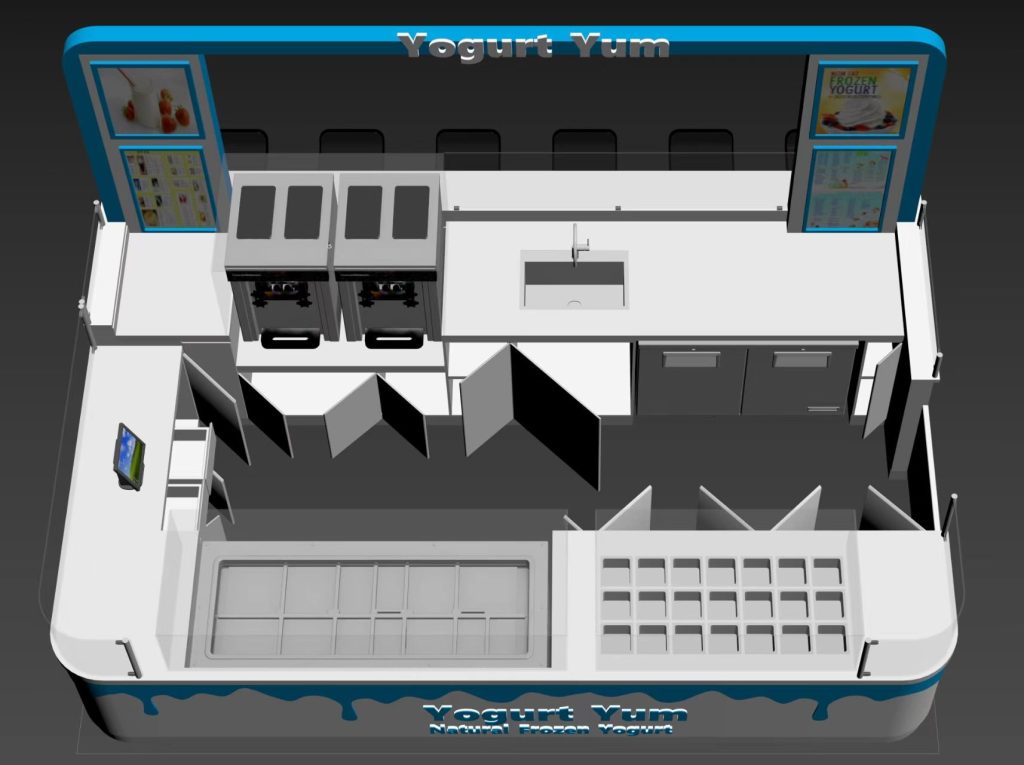
Low-cost mall kiosks copy appearances but ignore functional rationality: insufficient storage space, small operation platform, unreasonable installation position of light strips and light boxes, chaotic wiring of decorative elements, which affects the use experience and brand display effect. Professional manufacturers design the functional structure according to the client’s brand image and operation needs: the position of light strips and light boxes is optimized to highlight the brand logo and products; storage space is divided into different compartments to facilitate the storage of goods and equipment; wiring of light strips, light boxes and electrical accessories is hidden in the base and frame, which is safe and beautiful.
As a customized commercial furniture factory focusing on mall kiosks, we have always adhered to the principle of “quality first, customer-oriented”, and strictly controlled every link of base material selection, finish application, decorative element installation, craft processing, and structural design. We will choose appropriate base materials, finishes, and decorative elements according to the client’s mall positioning, brand image, and budget, to provide clients with cost-effective mall kiosk products. We remind clients that when purchasing mall kiosks, they should not only focus on the appearance and price, but also pay attention to the base materials, finishes, decorative elements, craft, and structure of the mall kiosk, and choose professional manufacturers and products with reliable quality, so as to avoid unnecessary losses and ensure the long-term stable operation of the kiosk in the mall.


