How to Furnish Fashion Stores to Make Them Popular among Youth
In the field of fashion consumption, the decoration of clothing stores is not simply the combination of shelves and lights but the three-dimensional expression of brand personality and the space carrier of trend culture. Those who are sought after by the young tide card shop always use the decoration design for the first time to catch the eye and even become a clock landmark. Today, we’ll take the example of fashion stores like Palace to explain how fashion stores, which are popular with young people, play tricks on the decoration.
Facade
The facade of the fashion store is the first dialogue between the brand and the street. It must be attractive enough to be out of the circle in the social communication of young people. The exterior design of the Palace store is exemplary: large areas of floor-to-ceiling glass completely expose the store’s trendy installations, creating a visual impact of the shop window as an exhibit; the iconic triangular logo is presented in the form of a neon light; and the design of the Palace store, which is designed to be a showcase for the public, when lit at night, is highly recognizable, enhancing the memory point of the brand symbol and making the store a trend beacon in the neighborhood.
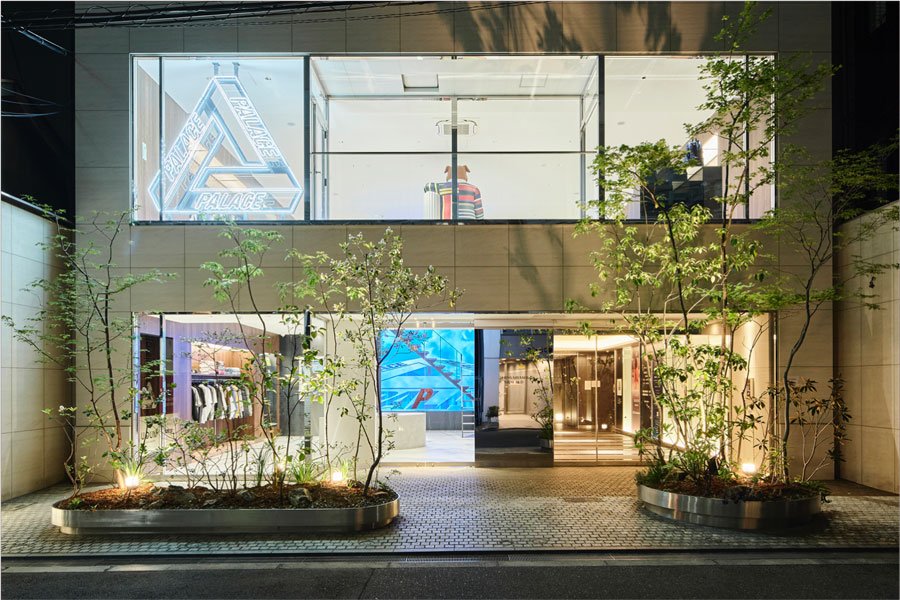
At the same time, the front of the store is cleverly landscaped, with Viridiplantae in a metal flower garden breaking the ice of the building to create a relaxed atmosphere of a trendy oasis, a mix of street cool and natural relaxation. It just pokes young people’s aesthetic pursuit, which is not sedulous but very fashionable.
Spatial layout
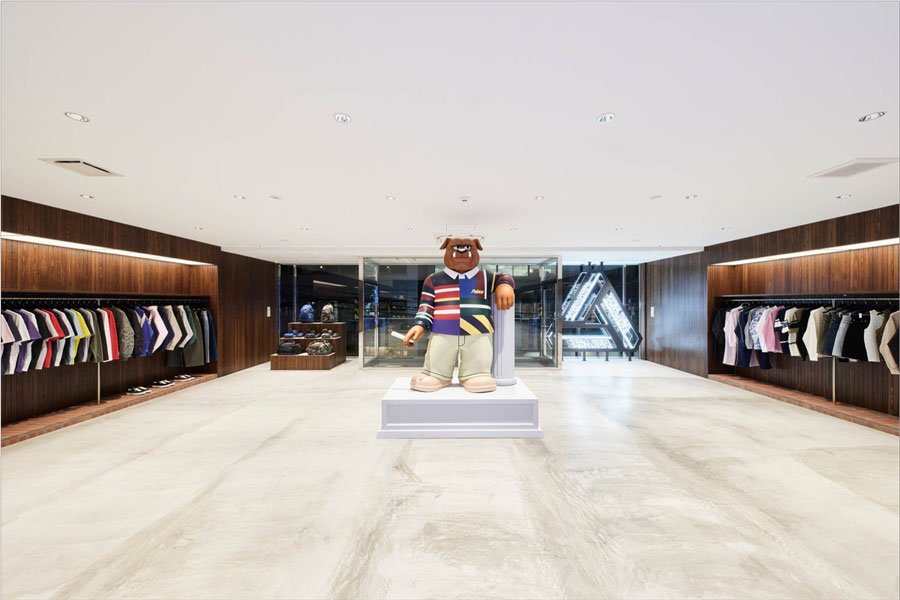
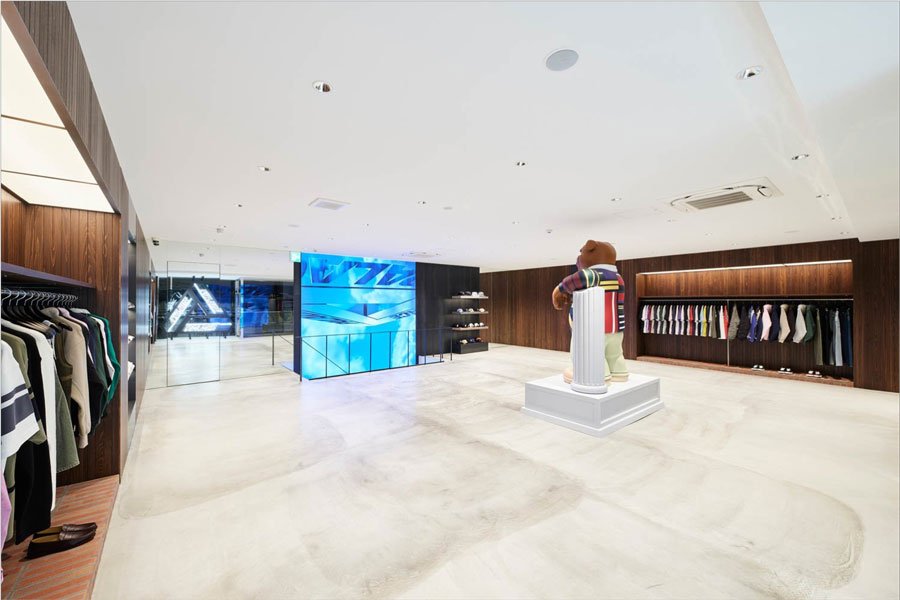
Young people stroll the Tide card shop; the pursuit is the fun of exploratory consumption, which requires a space layout that is both transparent and full of surprises. The layout logic of the Palace store is a large open space with a core visual device: the overall space does not have too many partitions, allowing customers to move freely through the various areas; this uninhibited dynamic design is in line with young people’s aversion to being bound; and at the core of the space, the huge brand IP sculpture becomes the absolute visual focus. It is not only a prop for internet celebrities to pose in and take photos with, but it also conveys the brand’s fashion attitude in the form of art—fashion not only sells clothes but also a cultural symbol.
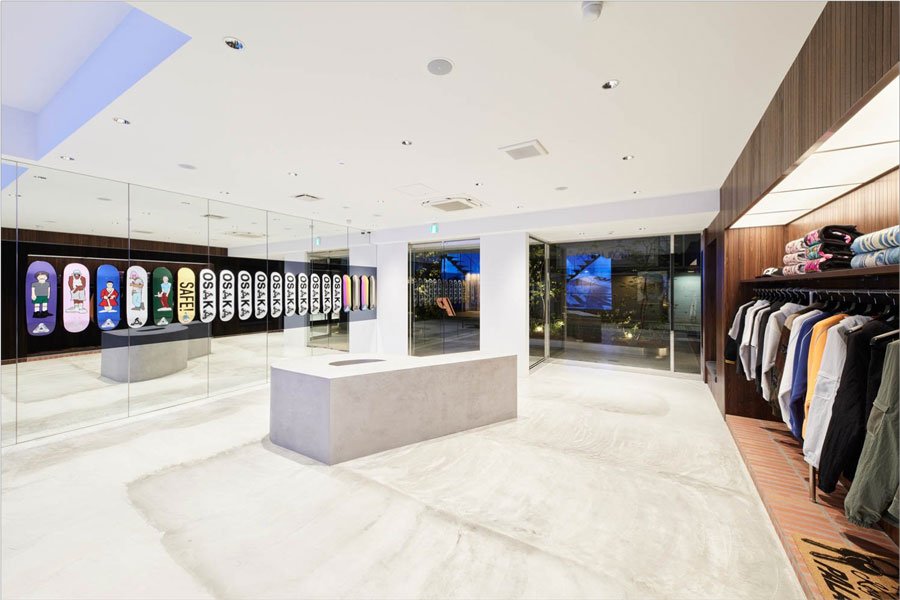
In addition, the division of areas is also ingenious. The clothing display area, skateboard display area, and accessories storage area echo each other so that young people who like different categories can quickly find their points of interest and extend their stay time at the same time. It also raises the possibility of a shift in consumption.
Materials
The coolness of the fashion brand is often reflected in the bold collision of materials. The Palace shop will be made of cement, wood, mirror, metal, and other materials to play on a sense of hierarchy: the ground will be made of old cement texture, retaining the original sense of roughness and echoing the street culture of wild attributes; the walls are made of large areas of dark, solid wood. The warm texture of the natural wood grain neutralizes the coldness of the cement, creating a delicate corner in the industrial wind.
The partial use of the mirror material expands the space visually and lets the original open store be more transparent but also meets the needs of young people when trying on a full range of effects to see metal elements dotted in the shelves, decorative details, and cold luster into the future for the space; this rough and delicate coexistence; the retro and future interwoven mix of materials; and the accurate grasp of the young people on the minority and high-level trend of aesthetics.
Lighting Design
Lighting is the Tide brand store‘s invisible makeup artist; it can set off the atmosphere and can maximize the product texture. The lighting design of the Palace takes a different, layered approach.
The basic lighting uses built-in overhead lights to ensure the overall brightness of the space while avoiding the harsh glare of bright light; the accent lighting focuses on the product. For example, the track lights in the clothing display area and the spotlights on the skateboard display wall highlight the texture of the fabric and the saturation of the color through the precise light angle so that each item is as attractive as a trend exhibit. The ambient light is hidden in the details, such as the neon of the brand logo and the background light of the corner fixtures, creating a sense of place that is funky by day and cooler by night, letting young people, whether seriously shopping or clocked in to take pictures, feel the trend of the atmosphere wrapped in immersion.
Detailed design
The tide card shop that really moves young people often wins in the details. The design details of the Palace store reflect the concept of fashion everywhere: the skateboarding wall is not only a product display but also a visual expression of street culture. The colorful and personalized skateboards and the display cabinets in the accessories area are like a small fashion museum, containing hats, ornaments, and limited peripherals in an orderly manner to satisfy young people’s desire to explore niche goods.
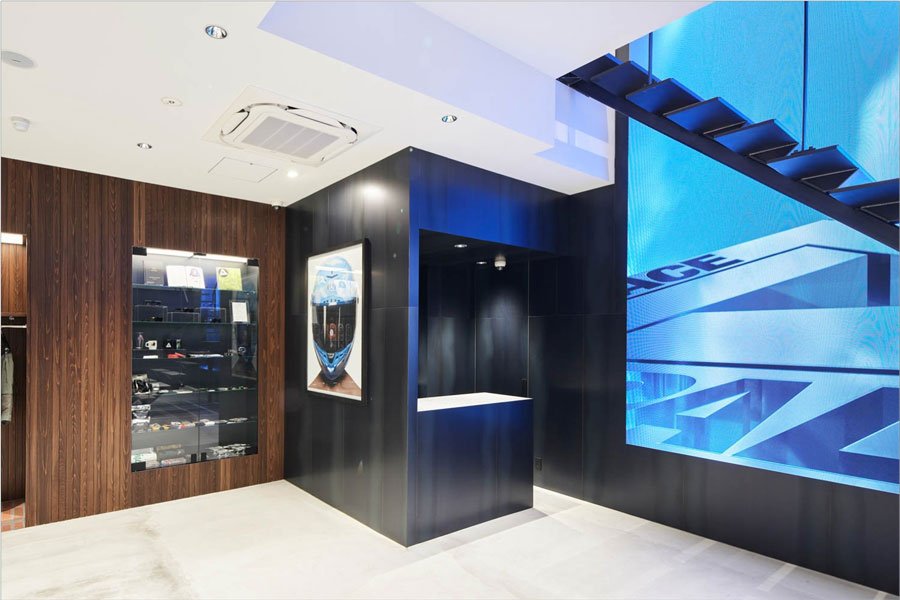
Even the elevator room has been made into a visual extension of the brand, with a large brand-themed picture so that waiting for the elevator has become a trendy experience. These details seem to be scattered, but together they build a trend field that is full of surprises and can always punch the clock so that young people are willing to come in again and again to explore new trend eggs.
Cultural expression
The deeper logic of fashion store decoration is to implant the cultural values of the brand into every part of the space. The interior design of the Palace, from the skateboarding culture to the IP image, conveys an undefined street spirit. This cultural expression is not a blunt slogan, but through the space of the scene, the implication of the installation, and the choice of materials, it is naturally revealed. Young people here are not only consuming clothing but also the values of this trend identity. When a fashion store decoration can let young people feel “Here, understand my love,” it has truly become the heart of young people in the trend of the shrine.
The decoration of a fashion clothing store is, in essence, a deep insight into the trend psychology of young people. From the landmark feel of the facade to the exploration of the space layout to the layers of materials, lighting, details, and the implicit transmission of cultural values, each design is conveying the tide we know you want. Such shops are not only places to sell clothes but also fashion strongholds for young people to express themselves and seek out fellow musicians. When decoration becomes part of fashion culture, young people will naturally vote for it with their feet and cameras.