How to Decorate Clothing Store in Dubai?
Opening a clothing store in Dubai is a venture filled with immense potential. The city is a global crossroads of fashion, culture, and luxury. Attracting a discerning clientele with high expectations. The interior of your store communicates your brand’s identity, values, and quality before exchange a single word. In a market as competitive as Dubai, a thoughtfully space is a necessity for survival and growth. If you plan to start business, don’t miss this article, it will give you more good decoration ideas.
Understanding Your Dubai Clientele
The first and most critical step in decorating your store is to deeply understand who you are designing for. The Dubai market is a tapestry of local Emiratis. Expatriates from over 200 nationalities, and high-spending tourists. A one-size-fits-all approach will fail. You must define your target demographic with precision. Are you catering to the modest fashion enthusiast, the luxury connoisseur, the trendy millennial, or the family-focused shopper? Each group has distinct preferences, cultural sensitivities, and shopping behaviors.
For instance, a clothing store targeting local Emirati women might incorporate more private or segregated shopping areas. Such as VIP changing suites, to provide a comfortable and exclusive experience with cultural norms. In contrast, a store aimed at international tourists in The Dubai Mall should focus on creating an instantly recognizable. “Instagrammable” identity with bold visual merchandising stands out in a crowded arena. The expatriate community often seeks a blend of global trends and local sensibility. Appreciating stores that feel like an oasis from the city’s hustle.
Visit competitor stores, analyze their strengths and weaknesses, and identify gaps in the market that your store’s design can fill. Understand the psychographics of your ideal customer. Includes their aspirations, lifestyle, and what they value in a shopping experience. Is it exclusivity, discovery, convenience, or community? The answers to these questions form the foundational blueprint for every subsequent design decision.
Fusing Modern and Cultural Elements
Dubai’s identity is a powerful fusion of its deep-rooted Arabian heritage and its hyper-modern, forward-looking vision. The most successful retail spaces in the city masterfully reflect this duality. A design purely cold and minimalist may feel sterile and forgettable, while one that is overtly traditional might not appeal to a global audience. The key is to create a nuanced balance that pays homage to the local culture while firmly establishing your brand in the contemporary landscape. This approach demonstrates respect and cultural intelligence, which is highly valued in the region.
You can incorporate cultural elements in a subtle, sophisticated manner. This does not mean installing faux heritage displays. Instead, think about abstract interpretations of traditional patterns in laser-cut metal screens or etched glass. Use a material palette that references the region: rich, dark woods, natural stone like travertine or marble, and textured fabrics such as linen and raw silk. A modern take on the traditional majlis (a seating area for gathering) can provide a comfortable space for companions or for private consultations, elevating the service experience. These elements tell a story and create a sense of place, distinguishing your store from any other in the world.
Conversely, the modern elements should speak to innovation and luxury. Sleek custom fixtures, integrated digital screens for lookbooks or product information, and state-of-the-art lighting systems are essential. The fusion happens when a traditional geometric pattern is rendered in neon lighting, or when a classic Arabic calligraphy motif is used as a graphic element on a minimalist display unit. This balance assures customers that your brand is both globally relevant and locally aware. It creates a unique and memorable aesthetic that is specifically tailored to the Dubai context, making your store a destination in itself. View display racks
Mastering Lighting for Retail
Lighting is arguably the most powerful tool in a retail designer’s arsenal, especially for a clothing store. In Dubai, where the external light is intensely bright, the transition to your interior environment must be deliberate and strategic. Poor lighting can distort colors, create unflattering shadows on both merchandise and customer. A professional lighting plan employs a layered approach, combining ambient, accent. Task lighting to create a dynamic, flexible, and sales-driven environment. Each layer serves a distinct purpose in guiding the customer’s eye and enhancing the product.
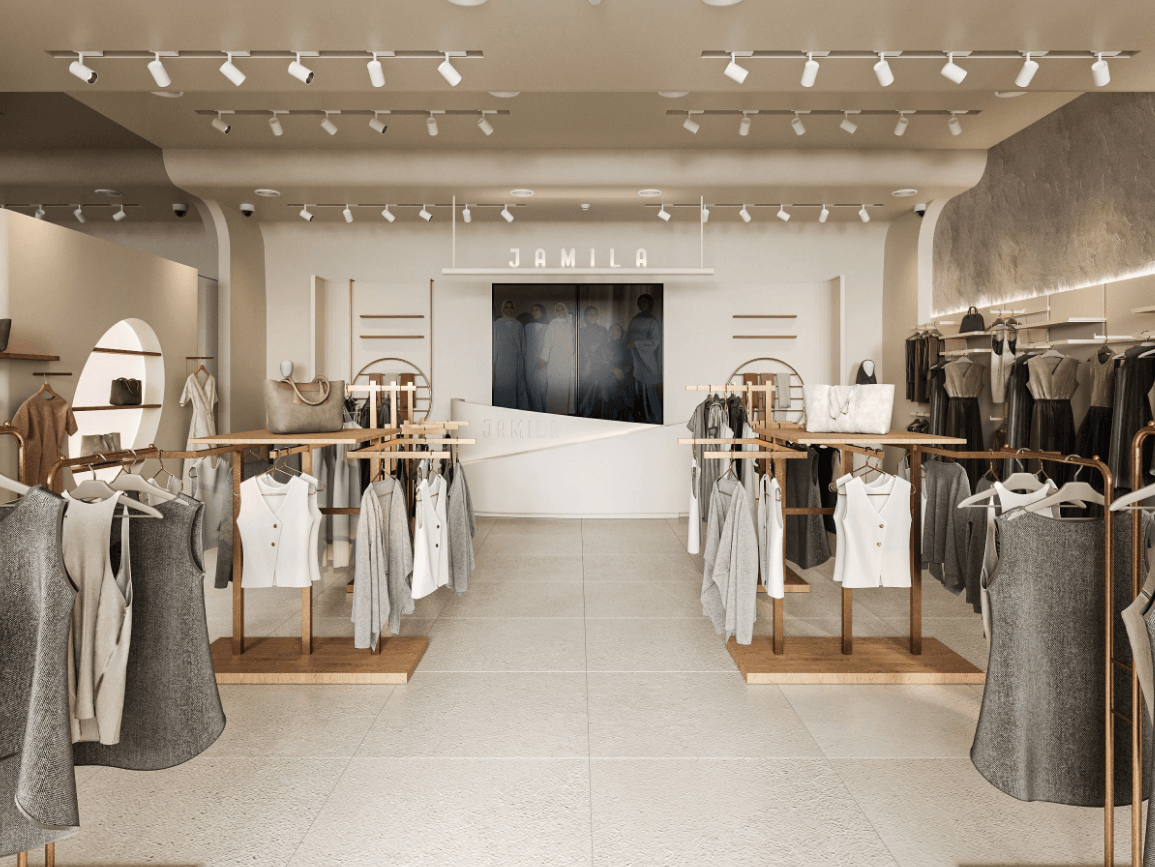
Ambient lighting provides the overall illumination of the space. In Dubai, this is often achieved with cool. Energy-efficient LED systems integrated into the ceiling to combat the heat from both the sun and the fixtures themselves. However, a space lit only by ambient light will feel flat. Track lights, pin spots, and adjustable recessed fixtures are used to create pools of light. Highlight specific displays, featured collections, or mannequins. This creates visual hierarchy and drama, drawing customers through the store and focusing their attention on key merchandise.
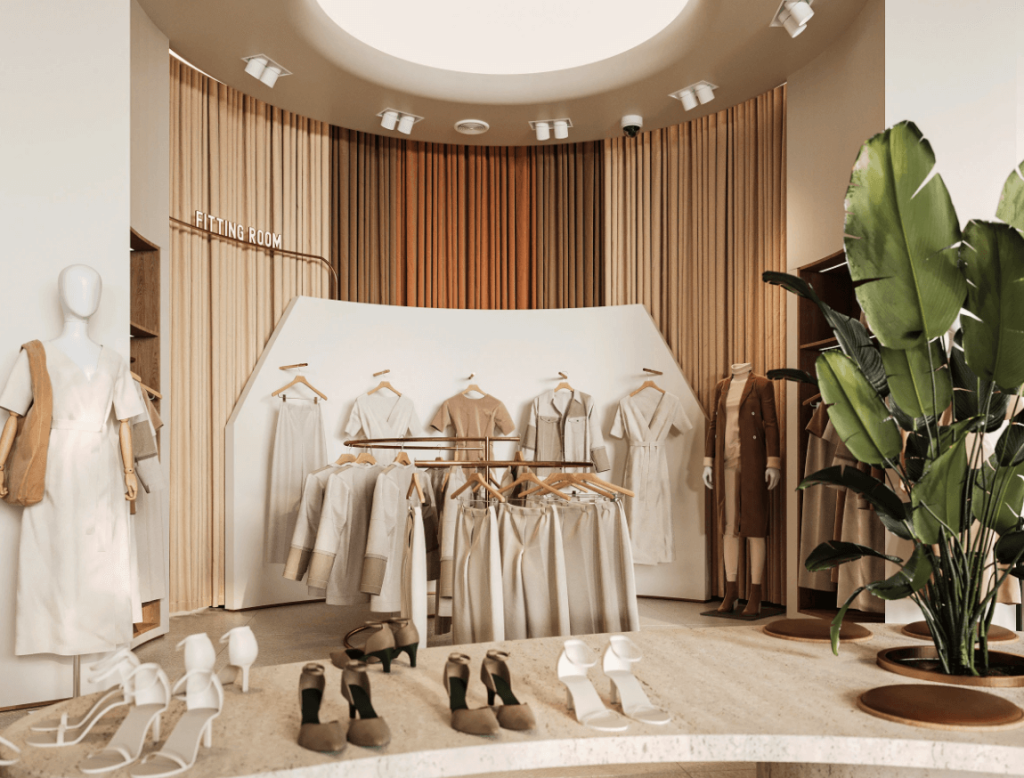
Finally, task lighting is essential in critical areas like the fitting rooms and cash wrap. Fitting room lighting must be flawless. A combination of front, side, and overhead lighting that offers adjustable color temperature (from warm to cool) allows customers to see how the garment looks in different settings. From office lighting to evening restaurant ambiance. At the cash counter, bright and clear task lighting facilitates smooth transactions and adds a sense of security. A professional, customizable lighting system is a direct investment in increasing your average transaction value and customer satisfaction. Check reception desk designs
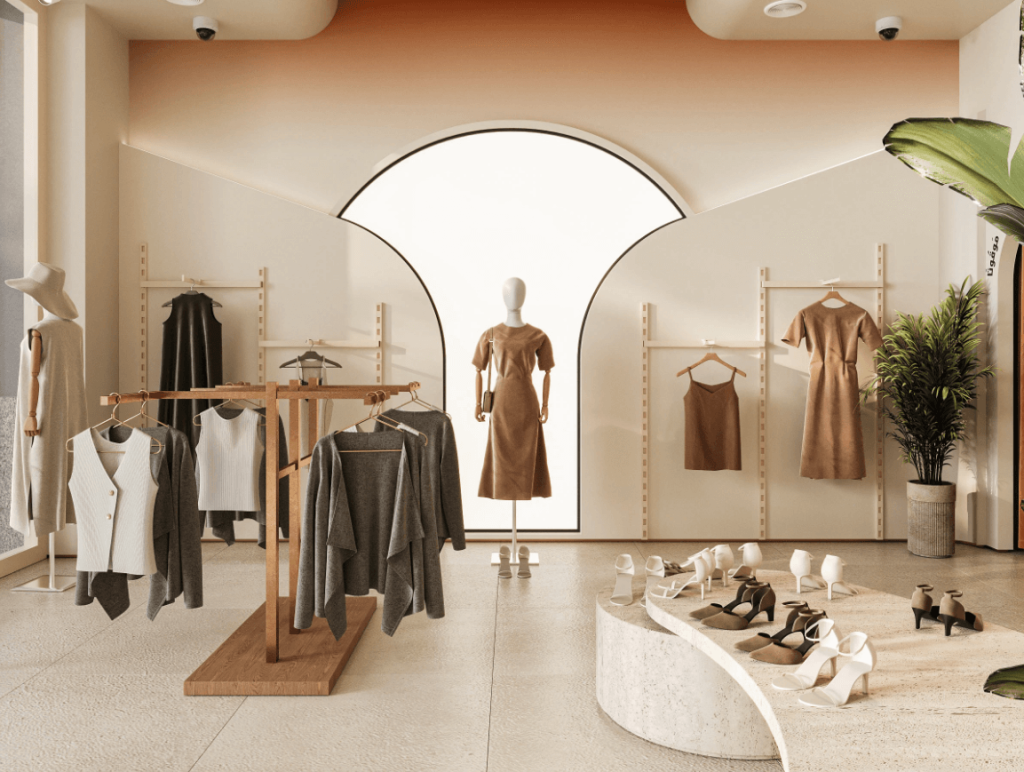
Creating Immersive Customer Experiences
Customers, particularly in a premium market like Dubai, are seeking memorable experiences. Your store’s decoration must go beyond aesthetics to facilitate a journey. Engages all the senses and fosters an emotional connection with your brand. The space design as a static showroom transforms a routine shopping trip into an event. Encouraging longer dwell times, increased spending, and powerful word-of-mouth marketing.
Incorporate interactive and sensory elements thoughtfully. This could mean integrated digital touchscreens. Allow customers to browse your entire collection, check inventory in different sizes, or even see how an item could be styled. A signature, subtle scent diffused throughout the store creates a powerful and lasting brand memory.
Furthermore, design your layout to include “moments” rather than just aisles. Create a dedicated area for new arrivals that feels like a gallery opening. Design a comfortable seating area with complimentary premium coffee or dates. Encouraging customers to relax and spend more time in the store. For high-end brands, incorporating a private appointment-only suite can cater to VIP clients seeking exclusivity and personalized service.
Optimizing Layout and Customer Flow
The physical journey a customer takes through your store—the “customer flow”—is a science that directly impacts sales and operational efficiency. A poorly planned layout can create confusion, cause bottlenecks, and hide your best merchandise. The goal is to guide customers on a deliberate, intuitive path that exposes them to the full breadth of your collection while making their visit feel seamless and effortless. In Dubai, where customer service is paramount, the layout must also facilitate easy assistance from your staff, allowing them to be attentive without being intrusive.
There are several proven retail layouts. The “loop” or “racetrack” layout creates a main aisle that leads customers in a circular path around the store, passing by various departments and feature displays. This is highly effective for larger spaces. The “free-flow” layout, which uses organic groupings of fixtures and displays, encourages browsing and discovery, ideal for boutique stores with a unique, curated assortment. The “grid” layout, common in many retail chains, offers predictability and efficiency but can lack excitement. Your choice should reflect your brand identity and the shopping experience you wish to create.
Pay close attention to key strategic points. The “decompression zone”—the first 5 to 15 feet inside the entrance—is where customers adjust to the environment. Avoid placing critical merchandise here; instead, use it for a striking visual statement. Place your best-selling and new arrival items along the right-hand wall, as most customers naturally turn right upon entering. Use focal points like mannequins or feature displays at the end of aisles to draw customers deeper into the space. Ensure the path to the fitting rooms and cash wrap is clear and logical, and that these areas are spacious and well-equipped to handle peak traffic, ensuring a positive final impression.
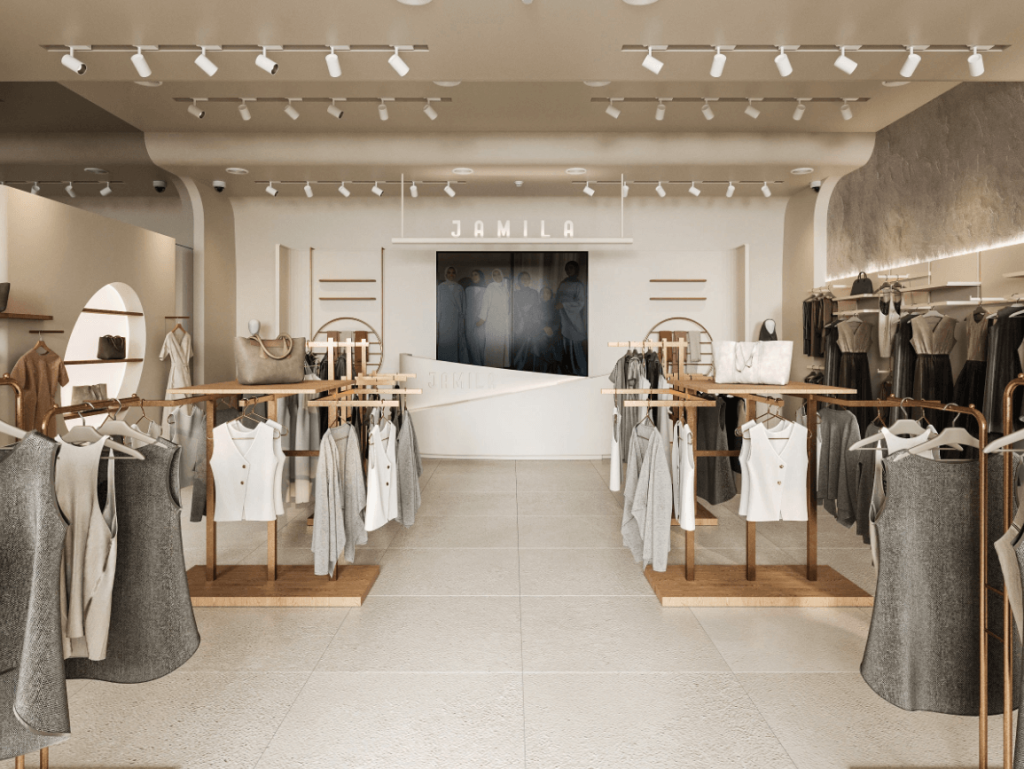
Selecting Durable, Luxe Materials
The choice of materials for your store fit-out is a direct reflection of your brand’s quality and longevity. In Dubai’s harsh climate, which features extreme heat, high humidity, and intense sun exposure. Materials must be chosen for their durability, ease of maintenance, and ability to withstand heavy foot traffic. Furthermore, in a city synonymous with luxury, the perceived quality of every surface is critical in justifying premium price points and building brand credibility.
For flooring, opt for high-quality materials like porcelain tiles. Mimic natural stone, large-format terrazzo, or commercial-grade luxury vinyl. These materials are resilient, easy to clean, and can handle the constant flow of customers. High-pressure laminates, or composites for fixtures and millwork, as they are less prone to warping in the humidity. Metals like brushed brass, powder-coated black steel, and satin nickel offer a luxurious feel and are durable.
Customers will touch your display tables, run their hands along the clothing rails, and feel the walls in fitting rooms. A flimsy, hollow-core door in a fitting room will undermine the perceived value of a $500 dress. Incorporate a mix of textures—smooth marble, rough-hewn wood, soft velvet upholstery—to create a rich, sensory experience. Investing in high-quality, appropriate materials may have a higher initial cost. It pays dividends in reduced maintenance, a longer-lasting interior.