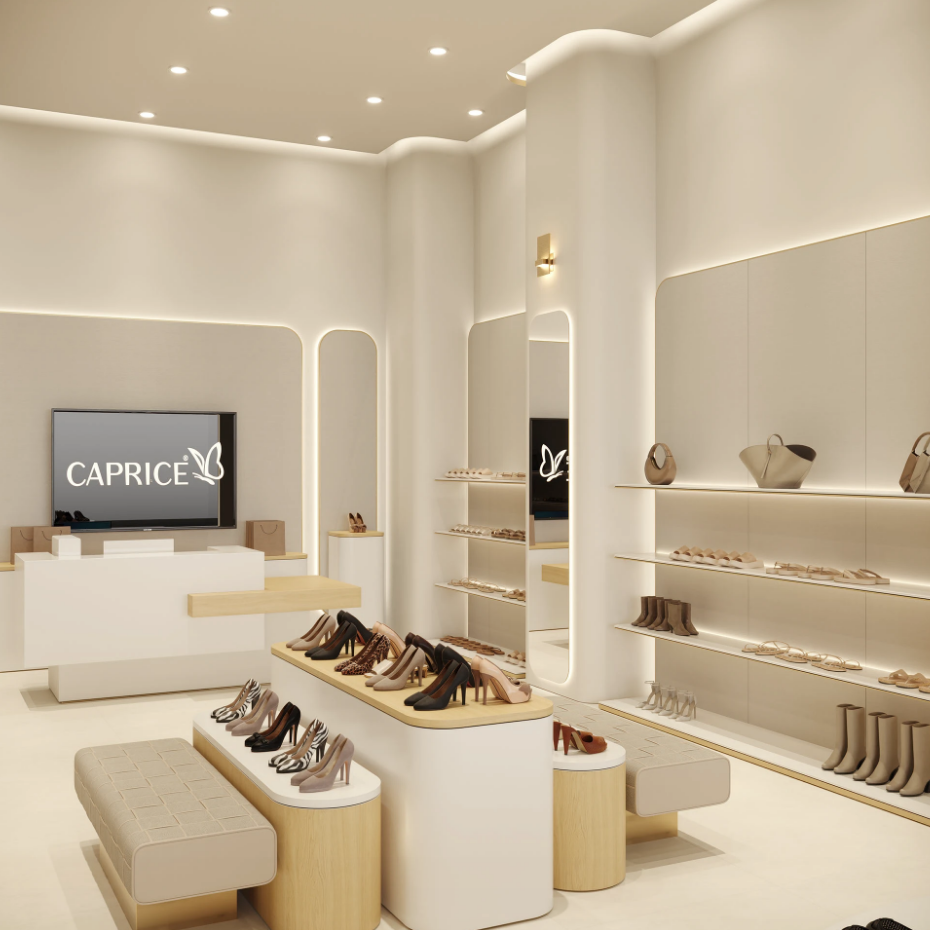
Steps to Open a Simple and Luxury Shoes Store?
The allure of the footwear industry is timeless. Shoes a statement of style, a marker of identity, and for the astute entrepreneur, a compelling business opportunity. However, the path to a successful shoe store launch varies dramatically depending on your target market. It provides a strategic, step-by-step framework for establishing a footwear retail business. With specialized insights for both straightforward, volume-driven models and exclusive, high-margin luxury boutiques.
Crafting Your Business Blueprint
Before sourcing a single pair of shoes or signing a lease, the most critical phase begins on paper. A meticulously researched business plan is the foundation upon which everything else is built. It forces you to confront potential challenges, validate your financial assumptions, and articulate a clear path to profitability. For a simple shoe store, this plan might focus on volume, turnover, and competitive pricing. For a luxury venture, the blueprint must center on brand storytelling, exclusivity. And an unparalleled value proposition that justifies a premium price point.
Finally, this blueprint must include a rigorous financial model. Project your startup costs, which include inventory deposit, leasehold improvements, fixtures, business licensing, and initial marketing. Create realistic sales forecasts and a detailed operating budget to accounts for rent, utilities, insurance, and payroll. Understanding your break-even point—the moment where total revenue equals total expenses. This document is is your operational roadmap for the first critical years of your business.
Securing Your Product Suppliers
The heart of any retail operation is its inventory. Your choice of suppliers will directly dictate your store’s identity, quality, and profitability. For a standard shoe store, this often involves partnering with wholesale distributors or directly with brands. Cater to mid-market retailers. The key metrics here are minimum order quantities (MOQs), margin structures, payment terms, and the reliability of delivery. Attending trade shows is an efficient way to meet multiple suppliers. Assess product quality firsthand, and negotiate terms.
In the luxury domain, the supplier acquisition process is fundamentally different. It is less a transaction and more a courtship. Gaining the right to carry prestigious brands involves a rigorous application process. Prove the suitability of your location, your financial stability, and your ability to represent the brand’s image faithfully. Luxury houses are protective of their distribution and will assess your store’s aesthetic, your clientele, and your marketing acumen. This often requires building relationships with brand representatives over time.
A critical consideration for both models is the balance between breadth and depth. Do you carry a wide variety of styles but in limited quantities, or do you focus on a narrower range but with extensive size runs? The answer lies in your target customer. A family-oriented store needs depth in common sizes. A luxury boutique might prioritize a deep stock of core, iconic styles while buying limited quantities of avant-garde seasonal pieces.
Choosing Your Retail Location
Location remains a cornerstone of retail success, but its interpretation differs vastly between retail models. For a simple shoe store, the goal is often high visibility and easy accessibility. Strip malls with grocery store anchors, downtown shopping districts with strong foot traffic, or retail parks are ideal candidates. The primary objective is to capture a steady stream of passersby and become the convenient, go-to option for a local community.
For a luxury shoe boutique, the calculus shifts from foot traffic to prestige and destination appeal. People are not seeking impulse buys from a crowd; you are cultivating an experience for a discerning clientele. Locations in high-end fashion districts, upscale shopping avenues, or within luxury department stores as a concession are typical. The rent will be significantly higher, but the address itself serves as a powerful marketing tool. Conferring status and aligning your brand with other luxury goods and services.
Beyond the macro-location, analyze the micro-details. Assess the storefront’s visibility, the condition of the building, the terms of the lease, and the demographics of the local population. For a standard store, ample and free parking is often a critical success factor. For a luxury store, consider the privacy and comfort of your clients. In both cases, negotiate a favorable lease. Consider a percentage-rent clause where rent is partly based on sales, which can provide crucial breathing room in the early stages.
Designing an Immersive Space
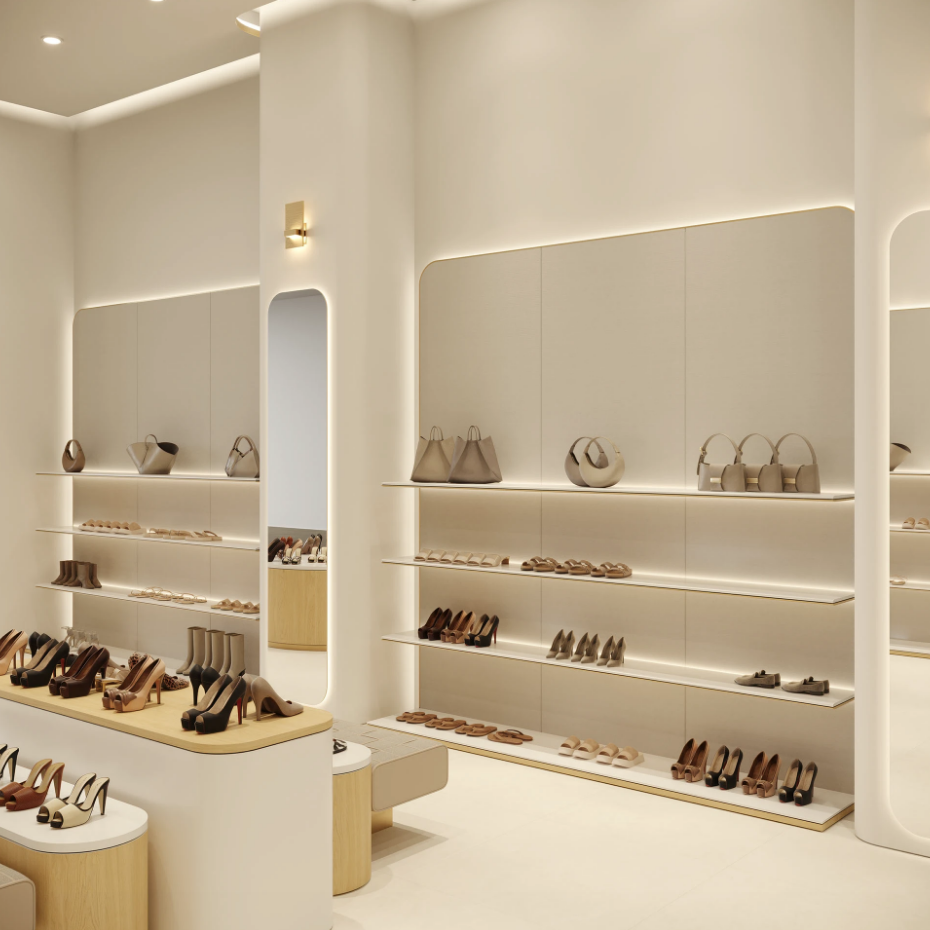
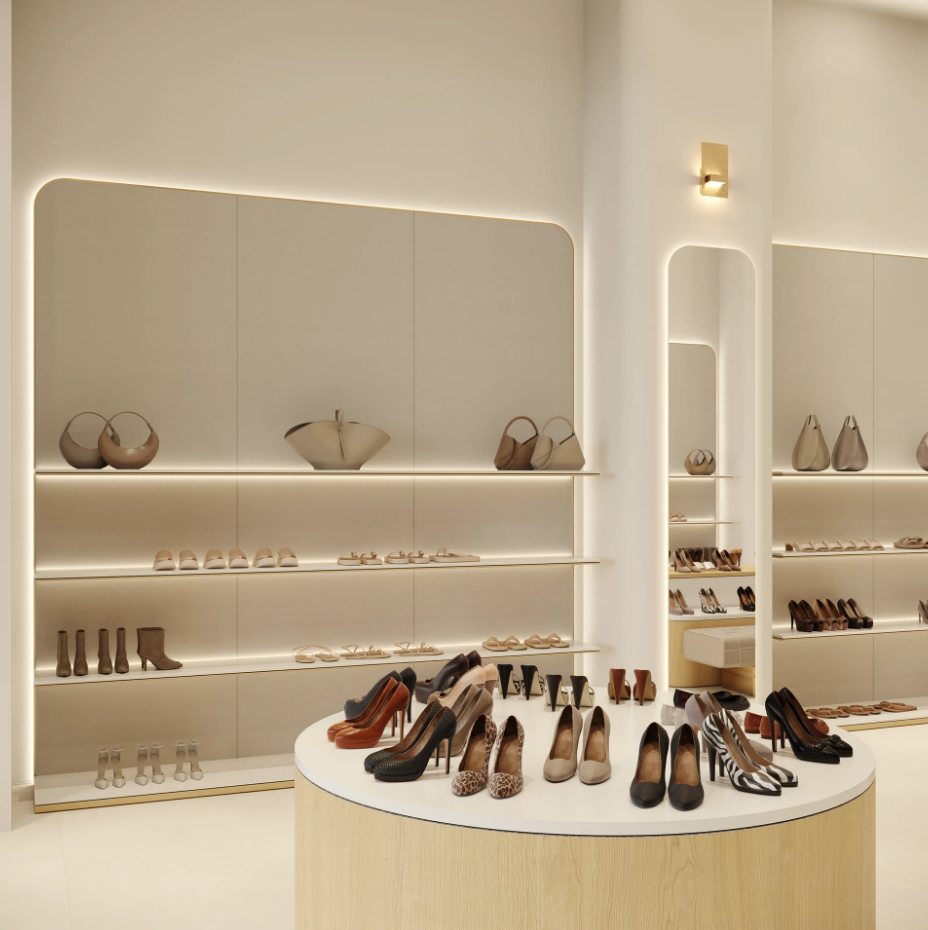
Your store’s interior design is a physical manifestation of your brand. It guides customer behavior, and directly influences purchasing decisions. For a straightforward shoe store, the design philosophy is functionality, efficiency, and a pleasant, clutter-free environment. Bright, consistent lighting is to assess color and detail accurately. Durable, easy-to-clean flooring and sensible shelving systems makes inventory management simple are key.
A luxury boutique demands a design creates an emotional connection. Invest in architectural details, bespoke millwork for displays, and luxurious materials like marble, rich textiles, and polished hardwoods. The lighting should be dramatic and flattering.View wall display shelving options
Create a logical flow allows customers to browse comfortably. The fitting area is especially critical. In a standard store, it should be clean, well-lit, and equipped with comfortable seating and functional foot measurers. In a luxury context, the fitting area is the climax of the experience. Private fitting rooms, plush seating, complimentary refreshments, and ample space create a sense of VIP treatment. Justifies the premium price and fosters profound customer loyalty.
Crafting Your Marketing Strategy
A proactive, multi-channel marketing plan is essential to launch your store and build a sustainable customer base. For a simple shoe store, the focus should be on local market penetration and value proposition. Tactics like a Grand Opening event with promotions, partnerships with local businesses.
Luxury marketing operates is less about promotion and more about cultivation. The strategy should be exclusive and aspirational. High-quality content marketing—such as editorials on style, behind-the-scenes looks at craftsmanship, and profiles of designers—builds brand authority. Public relations getting featured in top-tier fashion magazines and blogs is far more valuable than a generic advertisement. The goal is to make ownership of your products a symbol of taste and status.
Your website must be professionally designed, mobile-optimized, and feature high-resolution imagery. For luxury, e-commerce functionality is expected, but the site must reflect the brand’s aesthetic perfectly. Email marketing remains one of the highest-ROI activities. Use it to share new arrivals, style tips, and exclusive invitations to in-store events.
Delivering Exceptional Customer Service
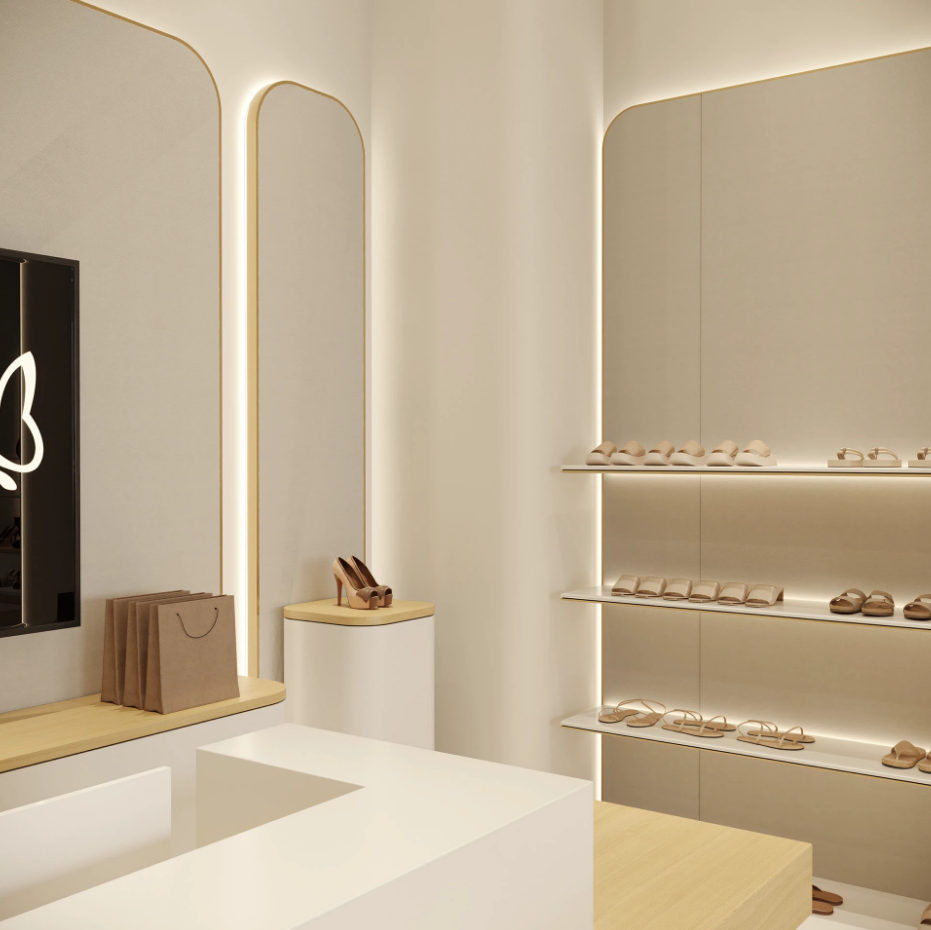
The interaction quality is the single greatest determinant of repeat business and positive word-of-mouth. For a standard shoe store, excellent service means efficiency, product knowledge, and a helpful, friendly attitude. Staff should be trained to accurately size feet, suggest complementary styles, and handle transactions smoothly. The goal is to make the customer feel assisted and valued. Ensuring they leave satisfied and likely to return. Check reception desk design
In a luxury environment, customer service is a theatrical art form. It is personalized, anticipatory, and discreet. Sales associates are style advisors and relationship managers. They should remember client preferences, sizes, and past purchases. The service should feel bespoke—offering to bring selections to a client’s home or holding private shopping hours. This high-touch approach transforms a customer into a devoted patron. Insulating your business from competition based solely on price.
Invest heavily in continuous staff training. Ensure every team member is an expert on your product’s materials, construction, and care. Empower them to solve problems and make decisions. Implement a customer relationship management (CRM) system to track purchases and preferences, enabling personalized communication. In both retail models, a reputation for stellar. Trustworthy service is the most powerful and durable competitive advantage you can possibly build. It turns a simple transaction into the beginning of a long-term relationship.
Managing Your Business Operations
The glamour of retail is front-of-house, determined by the robustness of its back-end operations. Implementing efficient systems from day one is critical for scalability and profitability. A modern Point-of-Sale (POS) system to tracks sales in real-time, manages stock levels. Provides detailed reports on bestsellers and slow-movers.
Financial management extends far beyond the initial business plan. You must establish a disciplined routine for bookkeeping. Taracking all income and expenses, managing cash flow, and preparing for tax obligations. For a luxury store with high-value inventory, robust security systems—both digital and physical—are imperative. Consider investing in loss prevention technology and thoroughly vetting staff. Furthermore, comprehensive insurance covering inventory, liability, and business interruption is a necessity.
The retail landscape is dynamic. Regularly review your operational metrics, solicit customer feedback, and stay attuned to market trends. A successful shoe store, whether simple or luxurious, is a living business evolving with its customers. This disciplined, operational excellence allows the creative and customer-facing aspects of your venture to truly shine and prosper for years to come.