How to Choose Furniture for Gym?
Setting up a gym requires more than just workout machines. Furniture is essential for functionality, comfort, and a professional look. The right choices improve durability, user experience, and space efficiency. Whether you’re outfitting a commercial gym, home fitness area, or specialty studio.Here is some guidance to help you balance practicality and visual appeal. Let’s view more details information together.
1. Understanding the Importance of Gym Furniture
Gym furniture is a critical part of member experience, safety, and operational efficiency. Unlike standard furniture, gym equipment must endure heavy weights, sweat, and constant use. Choosing low-quality or poorly designed pieces can lead to discomfort, injuries, or frequent replacements. Costing more in the long run.
Functionality Comes First. The right gym furniture supports better workouts. Weight benches must promote proper form, locker room seating should resist moisture and wear, and reception areas need durable, comfortable seating for clients. Smart furniture placement also improves gym flow. Preventing congestion and ensuring smooth transitions between workout zones.View salon store design
Durability Saves Money. Commercial-grade gym furniture is built to last. High-quality materials like reinforced steel, tear-resistant upholstery, and rust-proof finishes ensure longevity. Reducing maintenance and replacement costs.
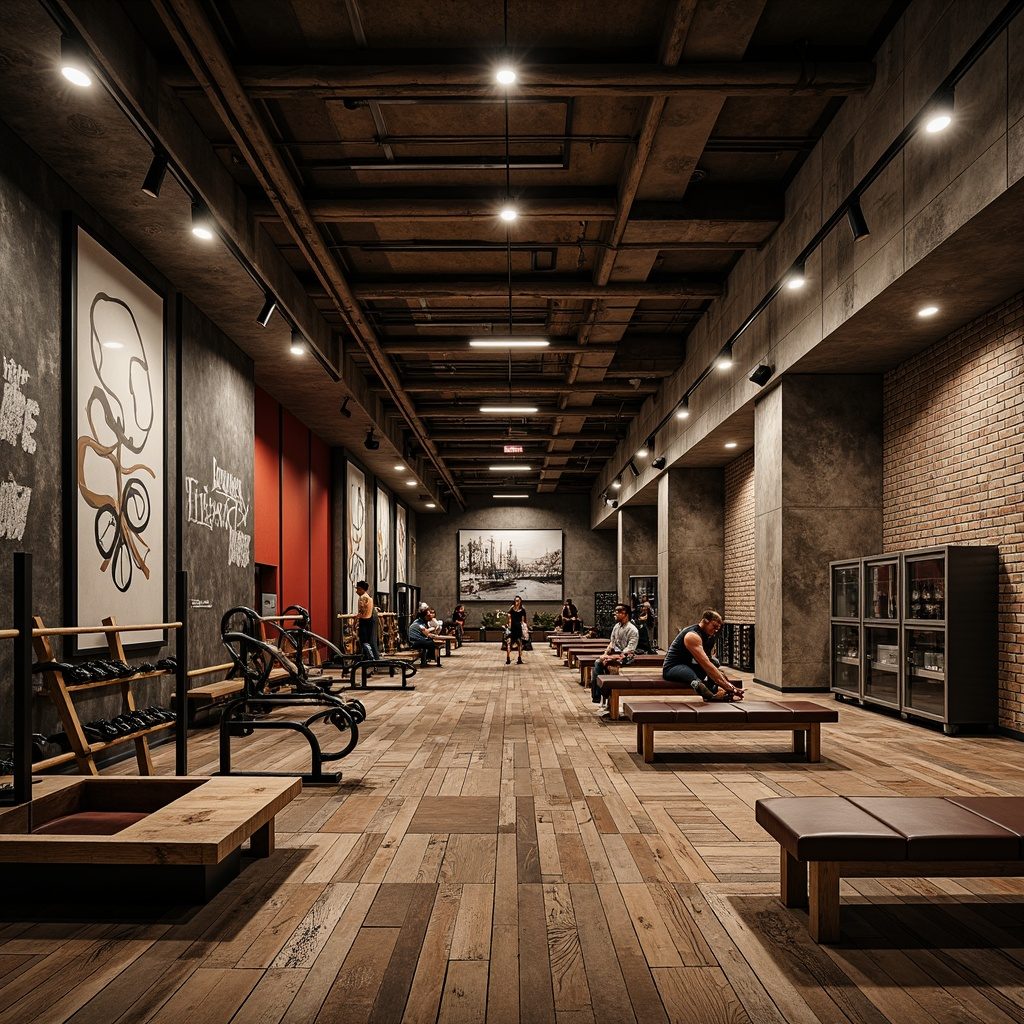
Aesthetics Reinforce Branding. A cohesive design elevates your gym’s professionalism. Whether industrial, minimalist, or luxury, the right furniture style strengthens your brand identity and makes the space more inviting.
2. Key Factors to Consider When Choosing Gym Furniture
Durability and Material Quality
Gym furniture must endure constant wear and tear. Look for high-quality materials like steel frames, reinforced upholstery, and moisture-resistant finishes. Weight benches should have thick padding and tear-resistant vinyl. While storage units should feature heavy-duty metal or reinforced plastic. Avoid cheap particle board or weak stitching, as they degrade quickly under gym conditions.
Ergonomic Design for Safety and Comfort
Furniture should support proper body mechanics to prevent injuries. Adjustable benches, ergonomic seating, and properly angled backrests are essential. For example, decline benches must have secure positioning, and cardio machine mats should reduce joint impact. Test furniture for stability—wobbly benches or unstable racks can lead to accidents.View more about bar counter design
Space Optimization and Layout Efficiency
Gyms often face space constraints, so furniture should maximize usability without crowding. Foldable benches, wall-mounted racks, and multi-functional storage (like cubbies with seating) save space. Plan traffic flow to avoid bottlenecks—equipment placement should allow easy movement between stations.
Budget and Long-Term Value
While cost is a factor, investing in high-quality furniture reduces replacement expenses. Compare warranties, read reviews, and consider commercial-grade options for heavy usage. Modular furniture can also be cost-effective. Allowing gradual upgrades as your gym grows.
3. Essential Gym Furniture Pieces and Their Features
A well-equipped gym requires durable, functional furniture to support workouts and enhance member experience. Here are the key pieces to consider:
Weight Benches and Strength Training Furniture. Weugt Weight benches should have heavy-duty frames (11-gauge steel or thicker) and high-density foam padding for stability and comfort. Adjustable incline/decline benches offer versatility, while models with built-in attachments (like leg curl or preacher curl stations) maximize space efficiency.
Storage Solutions: Lockers, Shelving, and Racks. Proper storage keeps gyms organized. Steel lockers with ventilation prevent moisture buildup. While open racks ensure quick access to dumbbells and kettlebells. Wall-mounted shelves save floor space, and mobile storage carts allow easy equipment rearrangement.Choose display shelving here
Cardio and Functional Training Accessories. Rubber flooring under treadmills and ellipticals reduces noise and impact. For functional training, plyometric boxes, yoga mats, and stretching benches should be lightweight yet durable. Rig systems with attachable furniture (like suspension trainers or punching bag mounts) add versatility.
Reception and Lounge Area Furniture. A professional front desk with scratch-resistant countertops creates a welcoming entry. Lounge seating should be moisture-resistant—marine-grade vinyl or antimicrobial fabrics are ideal for high-traffic areas.
4. Special Considerations for Different Gym Types
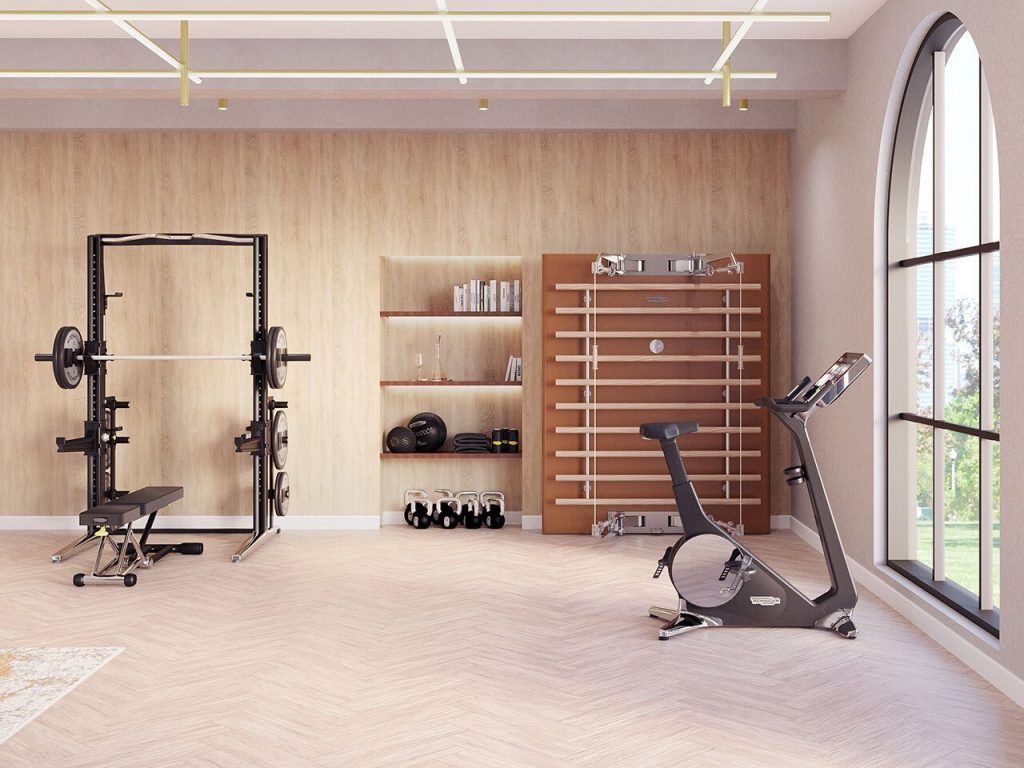
Commercial Gyms vs. Home Gyms. Commercial gyms need industrial-grade furniture designed for hundreds of daily users. While home gyms can prioritize compact, multi-functional pieces. For example, a power rack with an attached bench saves space in a home setup, whereas a commercial gym may need separate, heavy-duty stations.Check more store design here
Boutique and Specialty Studios. Yoga studios require non-slip mats and minimalist storage, while CrossFit boxes need rugged, movable furniture like plyo boxes and sleds. Climbing gyms should have reinforced benches and gear storage with ventilation to prevent odor buildup.
Outdoor and Garage Gyms. Furniture for outdoor gyms must be weatherproof—powder-coated steel, rust-resistant hardware, and UV-resistant upholstery are essential. Garage gyms benefit from foldable equipment and wall-mounted storage to keep space adaptable for vehicles or other uses.
5. Maintenance and Longevity of Gym Furniture
Gym furniture endures heavy use, so proper maintenance is key to extending its lifespan. Follow these practical steps to keep your equipment in top condition.
Cleaning and Hygiene Practices. Sweat and bacteria build up quickly on gym furniture. Wipe down vinyl surfaces daily with disinfectant wipes. For upholstery, use a deep-cleaning solution monthly to remove grime and odors. Check for cracks or peeling, as damaged surfaces harbor germs. Antimicrobial coatings on handles and benches help reduce bacterial growth.
Repairs and Replacement Scheduling. Inspect equipment weekly for loose bolts, frayed stitching, or sagging padding. Tighten hardware promptly and re-stitch seams before they tear. Replace worn-out padding to prevent user discomfort. Rotate benches and mats to distribute wear evenly, especially in high-traffic areas.
Repairs and Replacement Scheduling. Inspect equipment weekly for loose bolts, frayed stitching, or sagging padding. Tighten hardware promptly and re-stitch seams before they tear. Replace worn-out padding to prevent user discomfort. Rotate benches and mats to distribute wear evenly, especially in high-traffic areas.
Upgrading for Long-Term Use. Fitness trends change, and your furniture should adapt. Look for modular designs that allow easy updates. Such as adjustable benches or multi-functional racks. Prioritize ergonomic improvements to enhance user safety and satisfaction. Investing in durable, adaptable furniture keeps your gym competitive and functional for years.